Engr. Dr. Abubakar Salihu Ovajimoh
Head of Department, Civil Engineering
Engr. Dr. Abubakar Salihu Ovajimoh is a distinguished civil engineer, academic leader, and registered professional with extensive expertise in structural engineering, construction management, and infrastructure development. As the pioneer Head of the Civil Engineering Department at CUSTECH, he has been instrumental in shaping the programme's curriculum, establishing industry partnerships, and fostering a culture of academic excellence. Under his visionary leadership, the department continues to produce highly skilled graduates equipped to address Nigeria's infrastructure challenges and contribute to global engineering practice.
Faculty of Engineering | Confluence University of Science and Technology, Osara, Kogi State
History of Civil Engineering Programme
The Bachelor of Engineering (B.Eng.) programme in Civil Engineering began, along with five (5) other founding engineering programmes, in 2021. It started within the Department of Civil Engineering with the first Head of Department (HOD) and pioneer staff of the Department being Engr. Dr. Abubakar Salihu Ovajimoh. The Department started with the NUC's BMAS (Benchmark Minimum Academic Standards) curriculum and, in the 2023/2024 academic session, commenced the implementation of the CCMAS (Core Curriculum and Minimum Academic Standards) course structure.
Institution Vision & Mission
Vision: To be a reputable world-class institution renowned for producing highly skilled, globally competitive graduates with a strong affinity for practical problem-solving, and cutting-edge research output.
Mission: To provide a most conducive teaching and learning environment that robustly supports both the teachers and learners in cultivating and sustaining critical thinking culture as well as knowledge discovery, application, preservation, and exchange, and promote strategic values for the intellectual development of humanity in general and the nation in particular.
Department Vision & Mission
Vision: To be an academic Department with competent human resources, and state-of-the-art facilities to impart quality education and support research.
Mission: To run programmes that place emphasis on developing knowledge, relevant skill sets and interest for further studies in its graduates whose scholastic and research impact can be reckoned with both regionally and globally and known for producing globally competitive professionals.
Philosophy of the Programme
The philosophy of the Civil Engineering programme is to train and produce civil engineers with adequate knowledge and skills to work effectively in the building and construction industries, transportation industries, consultancy firms, governmental agencies, teaching and research organizations for rapid transformation of the economy in line with the philosophy of Confluence University of Science and Technology (CUSTECH) to "Bringing up a highly skilled and globally competitive graduates with strong affinity for practical problem solving".
Programme Educational Objectives (PEOs)
To achieve its vision and mission, the following Programme Educational Objectives (PEOs) have been developed for the Civil Engineering programme. These PEOs reflect the expected career and professional accomplishments of Civil Engineering graduates at CUSTECH within 5 years, incorporating technical competence, ethical practice, leadership, and societal impact.
PEO 1 – Technical Expertise Graduates will apply advanced knowledge of civil engineering principles, mathematics, and science to design, construct, and maintain sustainable infrastructure, addressing Nigeria's developmental needs and meeting COREN's standards for innovative and safe engineering solutions.
PEO 2 – Ethical & Professional Responsibility Graduates will uphold the regulatory body Code of Conduct, demonstrating ethical integrity and professionalism in their practice, ensuring public safety, environmental sustainability, and compliance with national and international civil engineering standards.
PEO 3 – Leadership & Teamwork Graduates will lead or collaborate effectively in multidisciplinary teams, utilizing strong communication and management skills to deliver civil engineering projects that enhance community welfare and align with industry expectations within and outside Nigeria.
PEO 4 – Continuous Professional Development Graduates will pursue lifelong learning through advanced studies, professional certifications, or regulatory body-accredited programs, adapting to emerging technologies and global trends in civil engineering to remain competitive and innovative.
Programme Outcomes (POs)
The Programme Outcomes (POs) for the B.Eng. Civil Engineering programme at CUSTECH describe the knowledge, skills, and competencies that students are expected to attain by the time of graduation.
PO1 – Engineering Knowledge Apply knowledge of mathematics, natural sciences, computing, and engineering fundamentals, together with Civil Engineering principles, to develop solutions to complex civil engineering problems.
PO2 – Problem Analysis Identify, formulate, research literature, and analyze complex civil engineering problems to reach substantiated conclusions using first principles of mathematics, natural sciences, and engineering sciences, with due consideration for sustainable development.
PO3 – Design/Development of Solutions Design innovative solutions for complex civil engineering problems and develop systems, components, or processes that meet specified needs with appropriate consideration for public health and safety, sustainability, environmental impact, cultural and societal factors, and economic feasibility.
PO4 – Investigation Conduct investigations of complex civil engineering problems using research-based knowledge and methods, including the design of experiments, data collection and analysis, and interpretation of results to provide valid conclusions.
PO5 – Modern Tool Usage Create, select, and apply appropriate techniques, resources, and modern engineering and IT tools—including simulation, modeling, and design software—to complex civil engineering problems, recognizing their limitations.
PO6 – The Engineer and Society Apply reasoning informed by contextual knowledge to assess societal, health, safety, legal, and cultural issues, and the consequent responsibilities relevant to the professional practice of civil engineering, particularly in the context of sustainable infrastructure development.
PO7 – Environment and Sustainability Understand the impact of civil engineering solutions in societal and environmental contexts and demonstrate the knowledge of, and need for, sustainable development in all aspects of civil engineering practice.
PO8 – Ethics Apply ethical principles and commit to professional ethics, responsibilities, and norms of engineering practice, in compliance with relevant national and international codes and standards governing the civil engineering profession.
PO9 – Individual and Team Work Function effectively as an individual and as a member or leader in diverse and multidisciplinary teams, demonstrating collaboration, inclusiveness, and accountability in both field and office environments.
PO10 – Communication Communicate effectively on complex civil engineering activities with the engineering community and with society at large, including the ability to write effective reports and design documentation, deliver impactful presentations, and give and receive clear instructions.
PO11 – Project Management and Finance Demonstrate knowledge and understanding of engineering management and financial principles, and apply these to one's own work as a member or leader in a team, to manage civil engineering projects efficiently in multidisciplinary environments.
PO12 – Lifelong Learning Recognize the need for, and possess the ability to engage in, independent and lifelong learning; demonstrate adaptability to new and emerging technologies, innovations, and trends in civil engineering, and maintain professional competence in the face of continuous technological change.
Career Prospects in Civil Engineering
Core Industries
Construction & Building
Transportation & Highways
Water Resources & Hydraulics
Geotechnical Engineering
Structural Engineering
Environmental Engineering
Consultancy & Design Firms
Government Agencies (FMW, FCTA)
Academia & Research
Emerging & Advanced Fields
Sustainable Infrastructure
Smart Cities & Urban Planning
BIM (Building Information Modeling)
Construction Project Management
Disaster Resilience Engineering
Green Building & LEED Certification
Admission Entry Modes
UTME Entry Mode
Minimum of credit level passes in five (5) subjects: English Language, Mathematics, Chemistry, Physics, and either Further Mathematics, Biology, or Technical Drawing. Acceptable UTME score required. Duration: 5 years.
Direct Entry Mode
Minimum of two 'A' level passes in relevant science subjects (GCE/IJMB) plus O'Level credits as above. OND/HND with upper credit also accepted. Duration: 4 years.
Intra & Inter-University Transfer
Intra-University Transfer: Student must satisfy O'Level requirements, have minimum CGPA of 2.0, and present academic records. No transfer student shall spend less than two academic sessions.
Inter-University Transfer: Student must satisfy O'Level requirements, have minimum CGPA of 3.0, and present transcript. No transfer student shall spend less than two academic sessions.
Note: Any student who could not graduate within the stipulated period is allowed to continue for additional two academic sessions provided CGPA is 1.00 and above.
Core Specializations
Major Areas of Focus
- Structural Engineering (Buildings, Bridges, Dams)
- Geotechnical Engineering (Soil Mechanics, Foundations)
- Water Resources & Hydraulic Engineering
- Transportation Engineering (Highways, Railways, Airports)
- Environmental Engineering (Waste Management, Pollution Control)
- Construction Engineering & Management
Modern Tools & Software
- AutoCAD, Revit, Civil 3D for design & drafting
- STAAD.Pro, SAP2000 for structural analysis
- ETABS for building design
- HEC-RAS for hydraulic modeling
- ArcGIS / QGIS for spatial analysis
- Primavera / MS Project for project management
Industrial Engagement & Practical Training
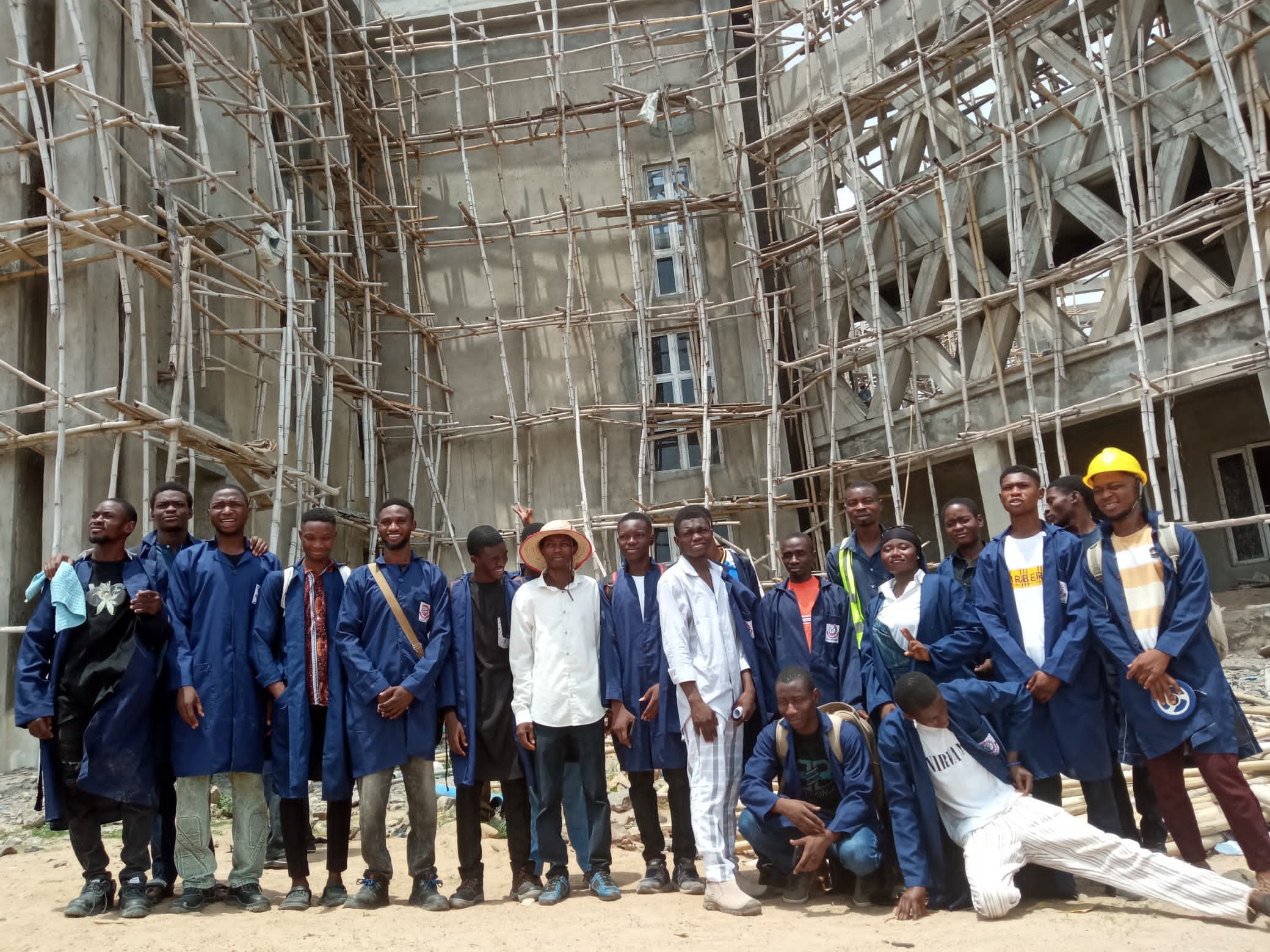
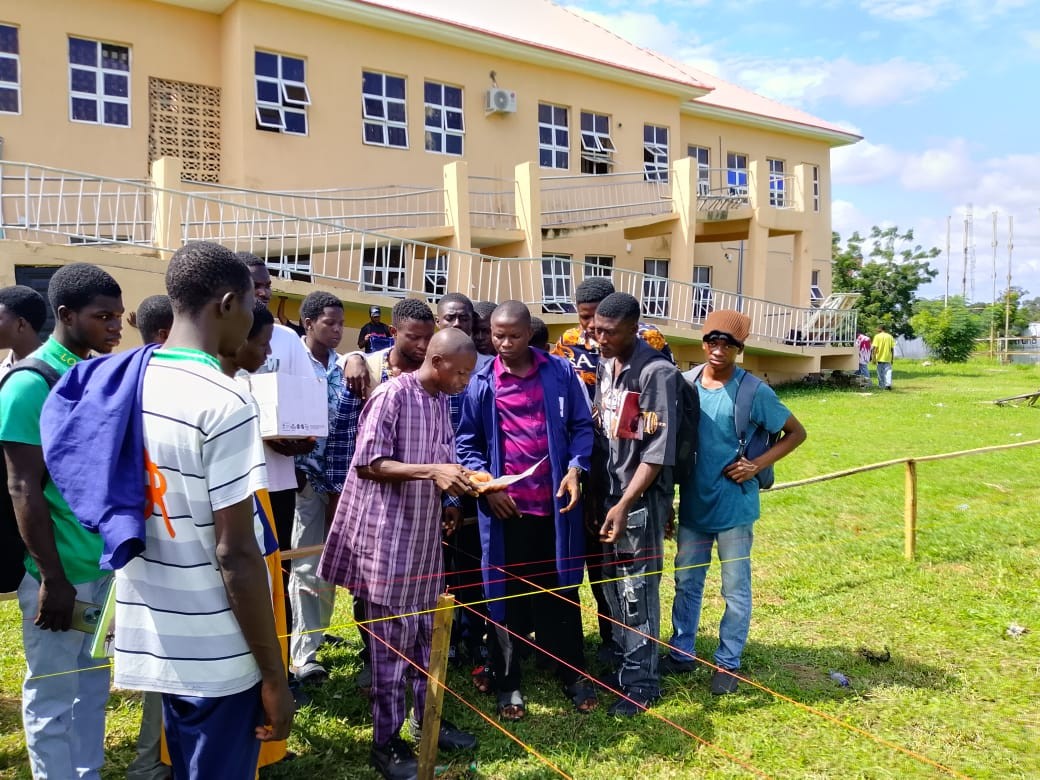
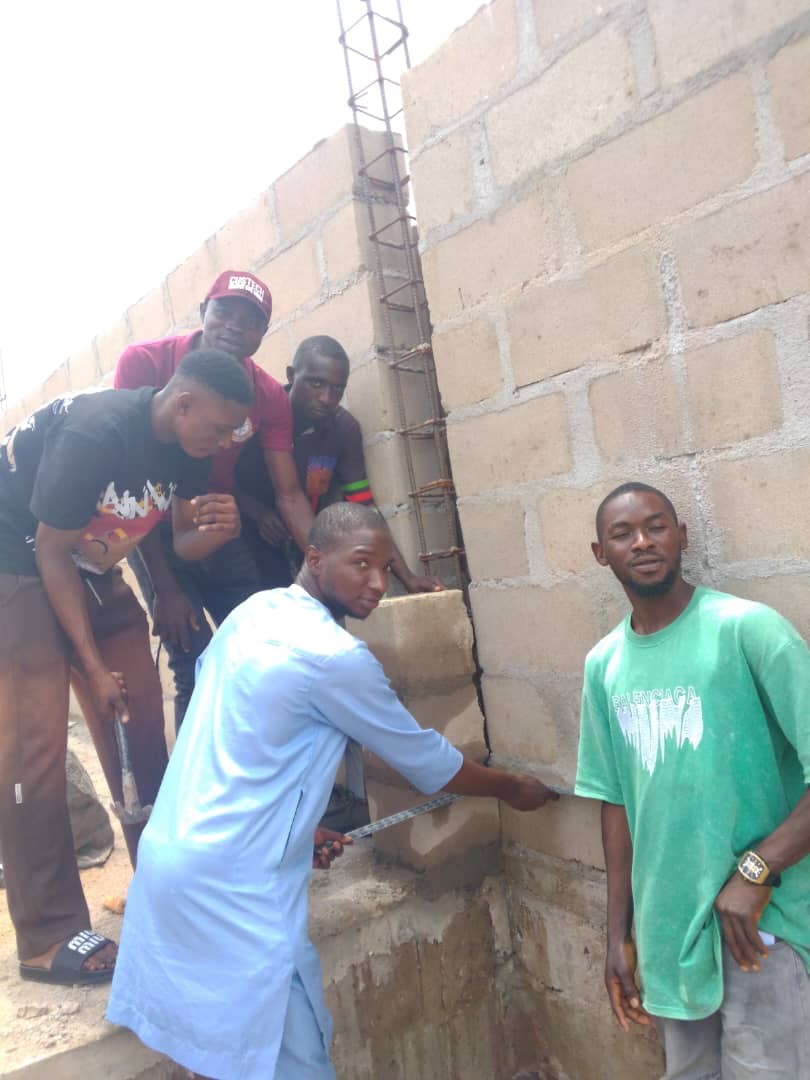
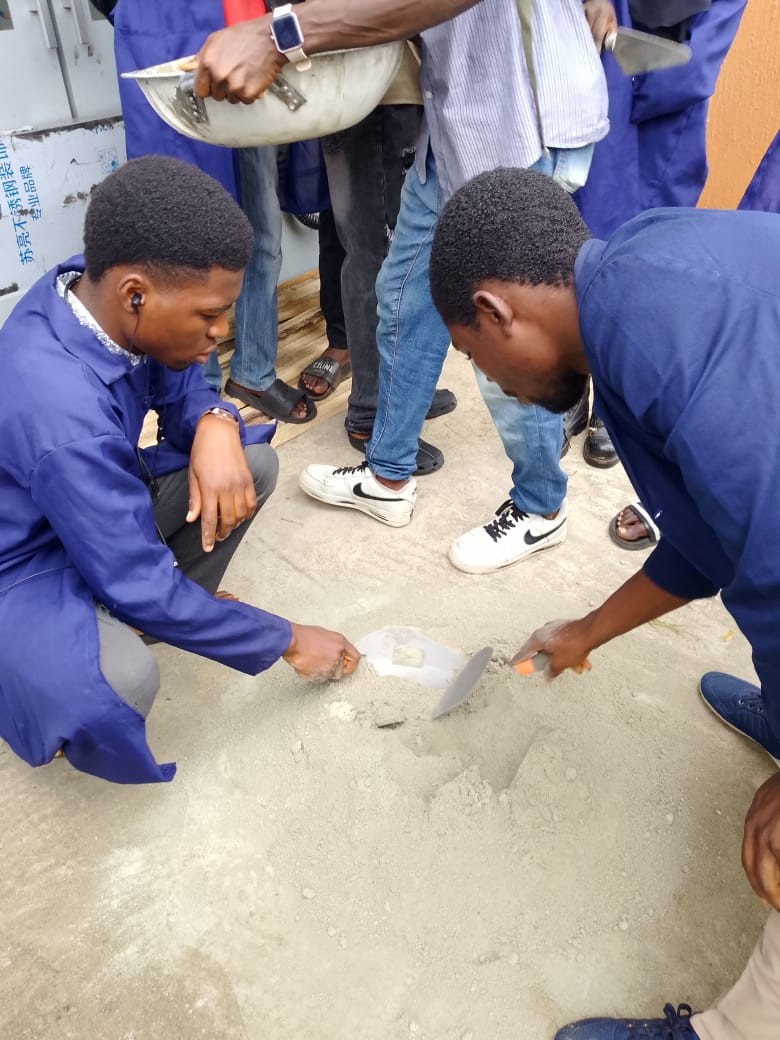
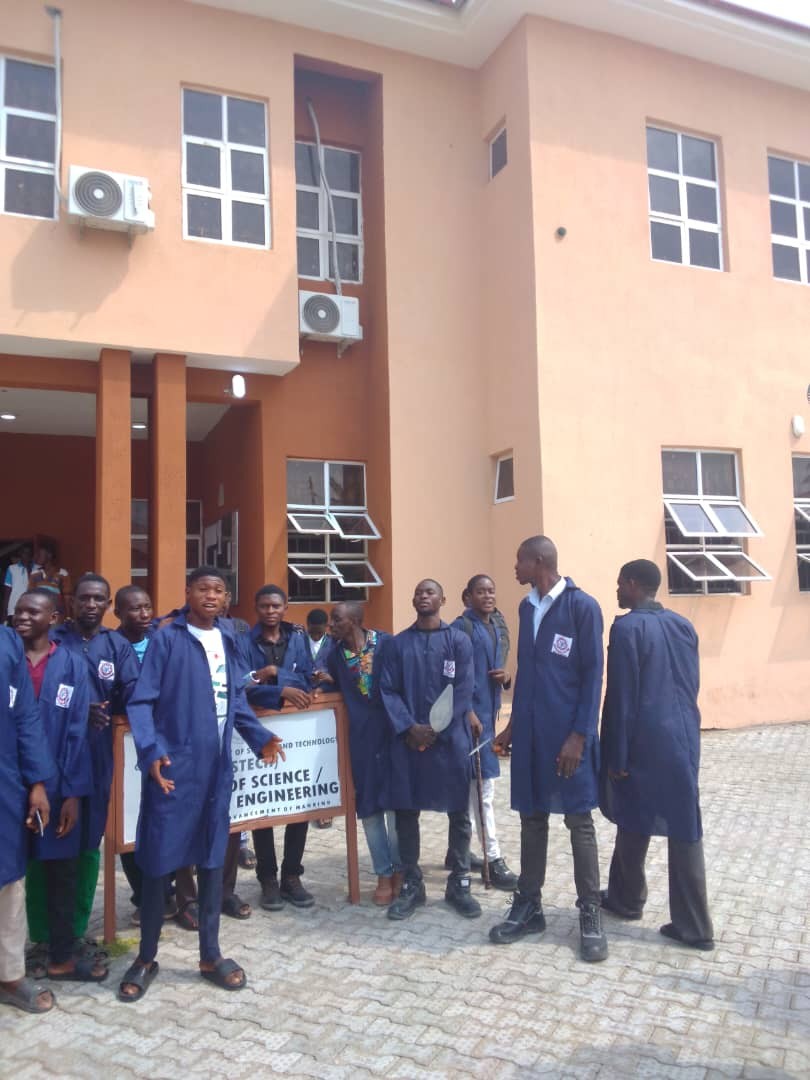
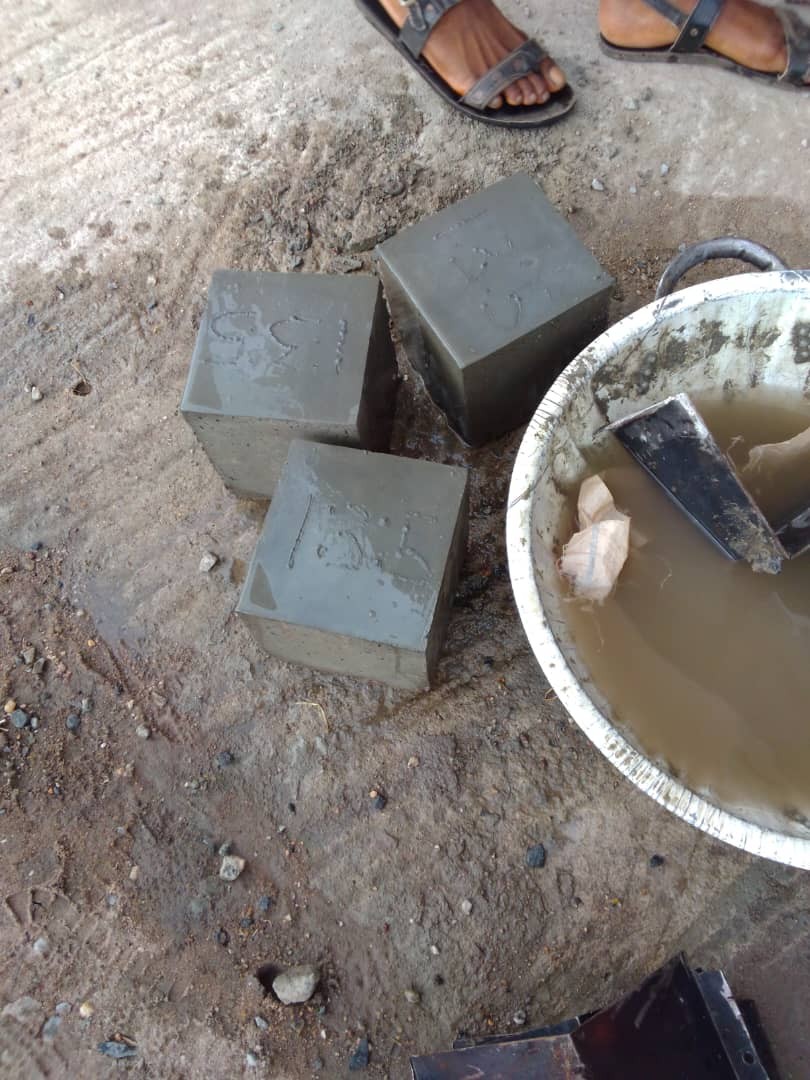
The Civil Engineering Department maintains strong ties with construction companies, consulting firms, and government agencies. Students participate in industrial visits, site inspections, and the Students' Industrial Work Experience Scheme (SIWES) to gain hands-on exposure to real-world civil engineering projects. The curriculum integrates field trips to major infrastructure sites, laboratories for material testing, and workshops on modern construction techniques.
SIWES Internships
Site Visits
Materials Testing Lab
Surveying Fieldwork
Accreditation & Global Standards
The programme is structured to meet COREN accreditation requirements and aligns with Washington Accord benchmarks. The curriculum follows the NUC CCMAS (Core Curriculum and Minimum Academic Standards) framework, ensuring graduates are globally competitive and ready for professional practice. Continuous curriculum review ensures relevance to industry needs and emerging technologies.
COREN Accreditation In View NUC Approved CCMAS Compliant Washington Accord Aligned
Method of Application
Application forms for National and International Applicants can be completed online at CUSTECH Admission Portal (https://custech.edu.ng/2025-2026-admissions/) at the prescribed fee. Payment can be made online through electronic payment platforms or through cash deposits at designated banks.