Geography Department

Welcome to Geography Department

The Department of Geography offers a dynamic and multidisciplinary learning environment designed to equip students with the knowledge and skills to understand people, places, and the environment. Students gain expertise in physical and human geography, GIS, remote sensing, cartography, environmental management, and spatial analysis, preparing them for careers in planning, environmental management, research, and sustainable development.

VISION

To become a leading centre of geographical excellence that transforms spatial knowledge, geospatial technologies, and environmental intelligence into innovative solutions for sustainable communities, resilient ecosystems, and inclusive development.

MISSION

Our mission is to train students that would be the most informed citizens of tomorrow in terms of proper understanding of both the physical and human environment and with deep understanding of the dynamics of man’s relationship with his environment towards achieving a more sustainable and friendly world.

ACADEMIC PHILOSOPHY

The guiding philosophy of the programme is to produce graduates in a variety of specialties ranging from social, economic, environmental and earth sciences, with emphasis on spatial analysis and integration, so that they can play key roles in environmental and areal analysis and planning.

Geography is rightly referred to sometimes as the “spatial science”, that is a discipline that is concerned with earth space and how it is being used. Geography’s name is reputed to have been coined by the Greek Scientist Eratosthenes around 200 BC from the word “geo” which means “the earth” and “graphein” which means “to write”. Thus from its formative stages as a discipline geography’s concern was “writing about the earth”. From the very beginning, geographic writing concentrated on both the physical structure of the earth as well as the nature and activities of the inhabitants of different parts of the earth. As a matter of fact, it is curiosity about the nature of the earth and its inhabitants that fuelled explorations of “our home” by men through the centuries.

Geographers study spatial variations. They seek to understand how and why things differ from place to place and over time. Geography is about space and the content of space. This interest developed as a formal discipline over time beginning with Greek and Roman scholars who did much to map the Mediterranean world, devising techniques such as the grid of parallels and meridians. They studied climates, landforms, animals and peoples. The Chinese similarly developed interest in geographic information. Modern geography owes its rebirth from the surge of scholarship that followed the European Renaissance. From the beginning the discipline was recognized as being broad and integrative in nature.

Initial interests were with patterns and processes of change in physical landscapes. This was combined with an interest in variations in people and customs and how this interplayed with the physical environment. As the discipline matured, there was a proliferation of subdivisions in the discipline ranging from physical sciences oriented subdivisions like climatology, biogeography, geomorphology and water resources, soils to the more human subfields such as economic geography, human geography, urban geography, political geography and so on. But these subdivisions are closely related and are characterized by three overarching interests: first, they are all concerned about spatial variation of physical and human phenomenon on the surface of the earth and the interaction between them; secondly, they are interested in spatial systems that link man-environment interactions in one area with interactions in another; and thirdly, growing out of the first two is concern with regional systems of human ecology.

At CUSTECH we recognize that this broad geographic interest can be organized in a number of unifying categories or traditions. These include:

  1. Earth science tradition which covers studies in landforms and its derivatives; weather and climate.
  2. Culture-environment tradition which covers studies in areas such as population, cultural, political geography and the geography of spatial behaviour.
  3. Locational tradition which would include areas like economic and urban geography and the geography of natural resources and area analysis focusing on regional concepts.

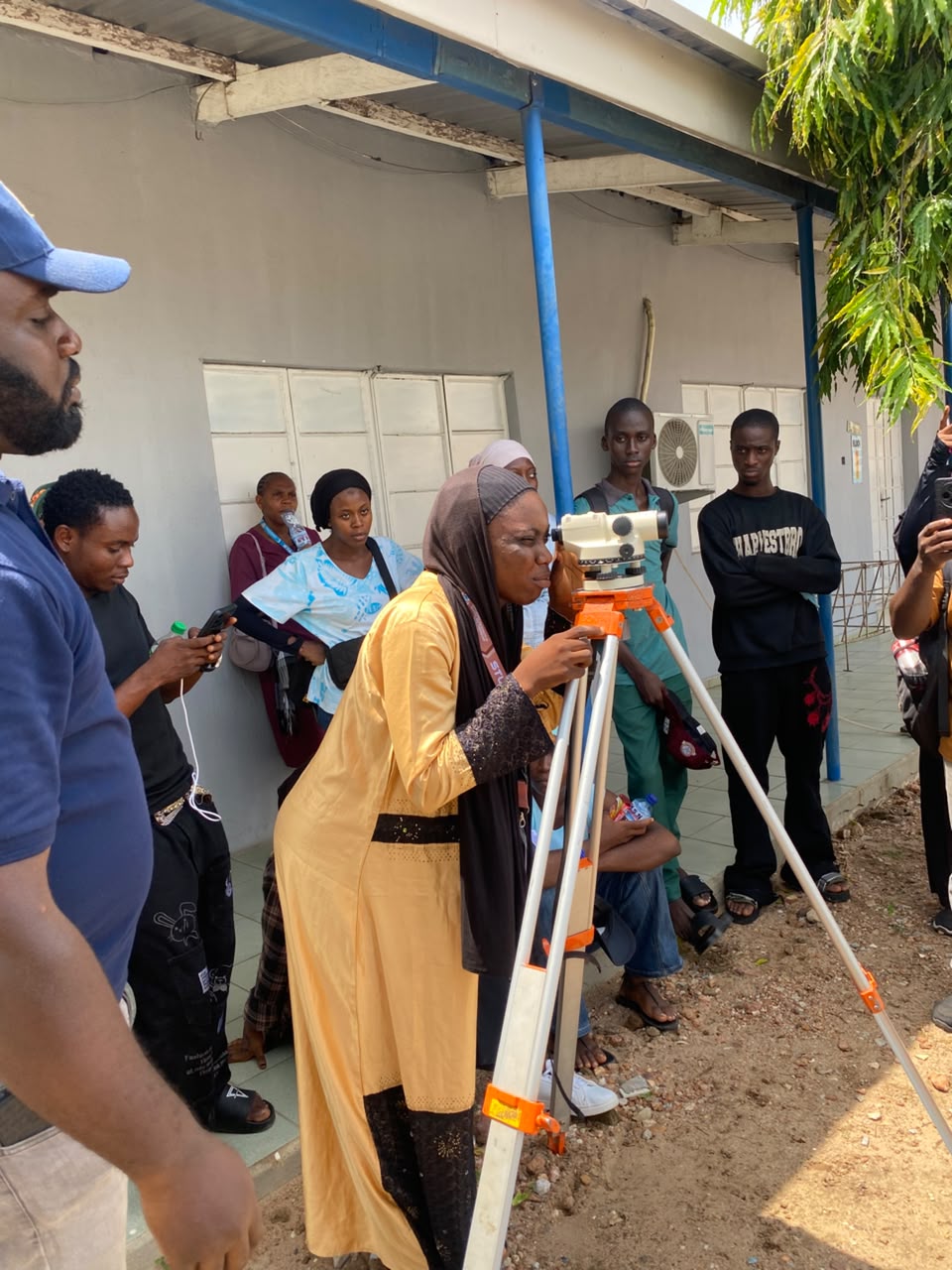
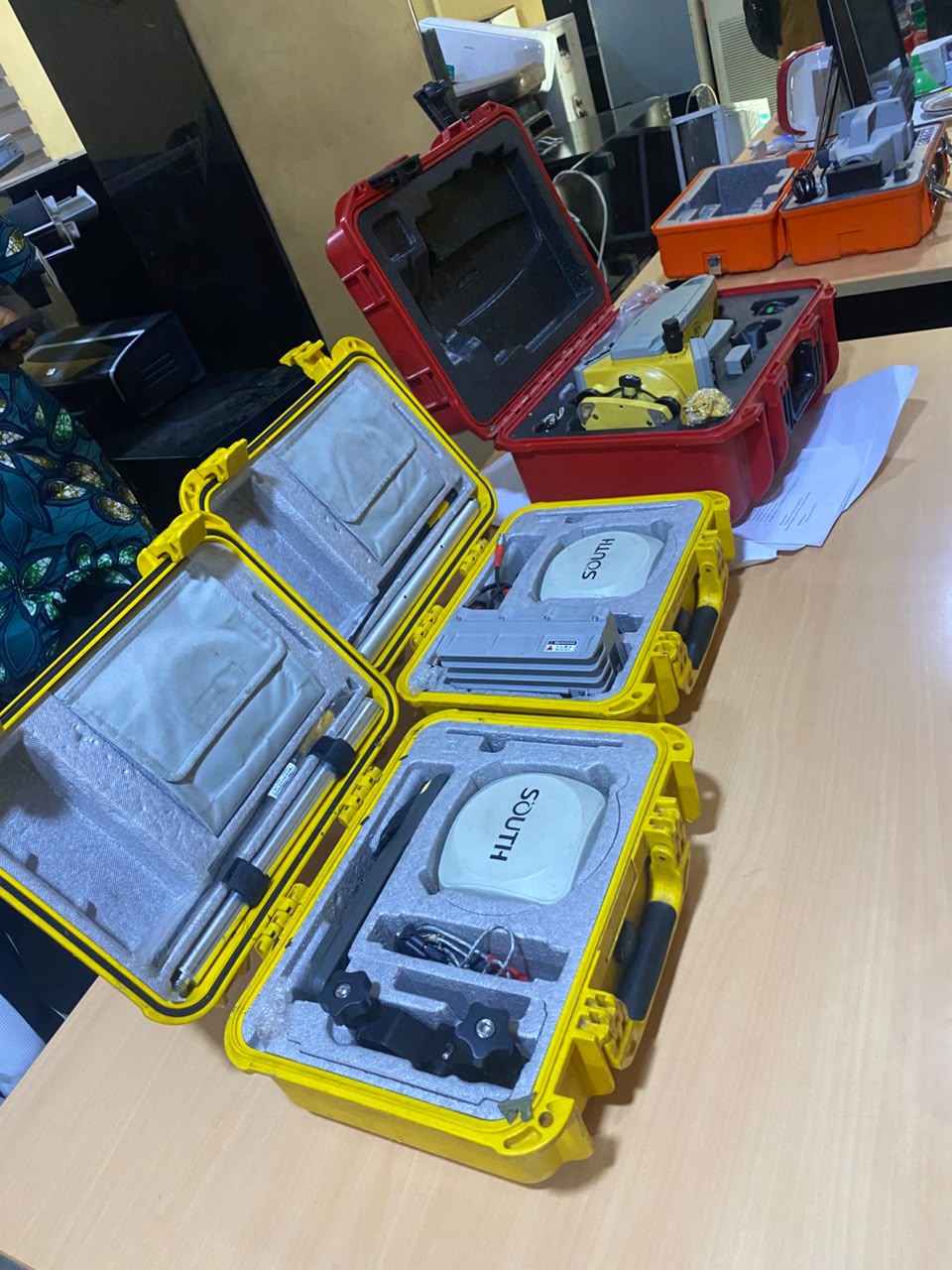
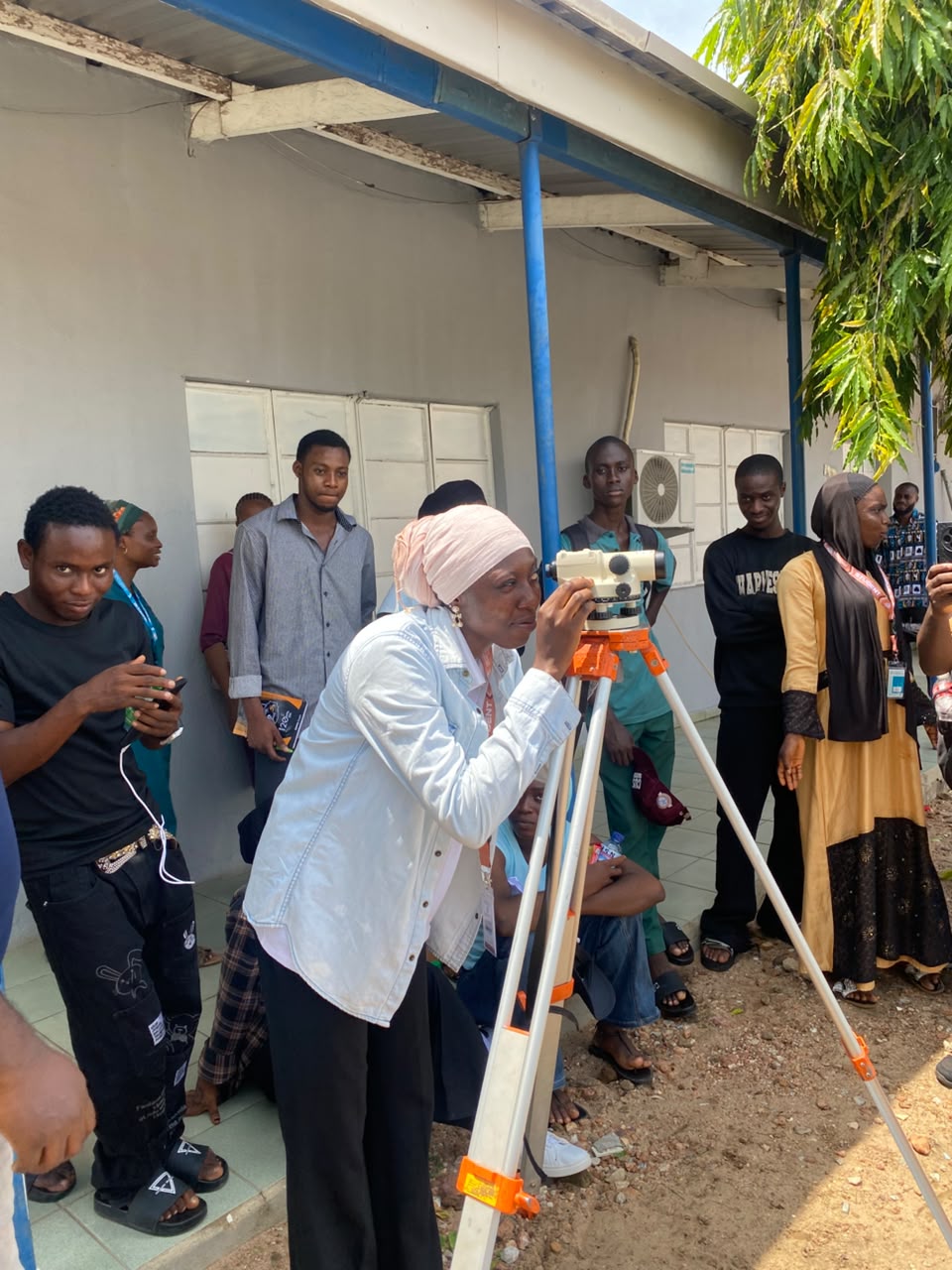
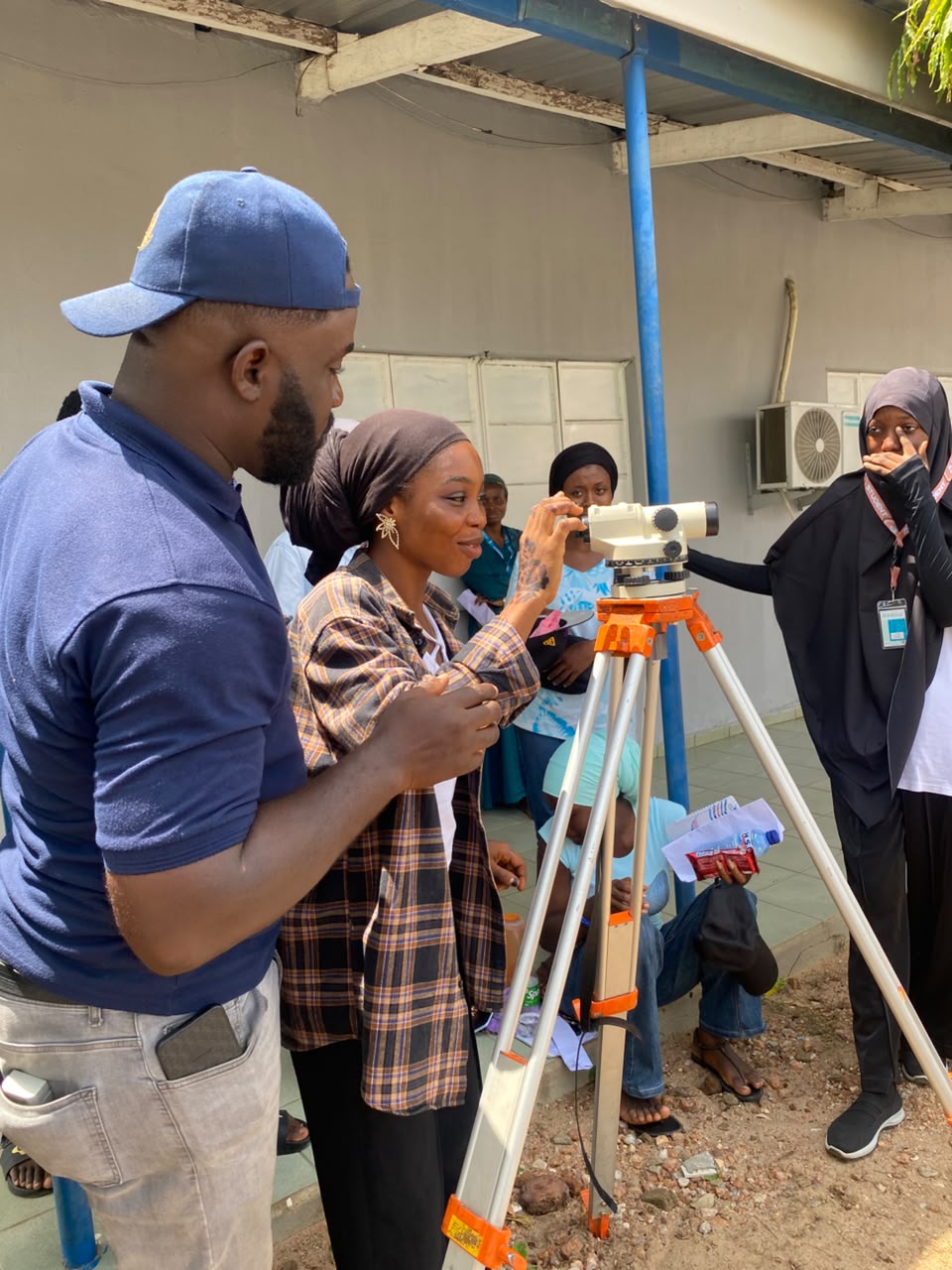
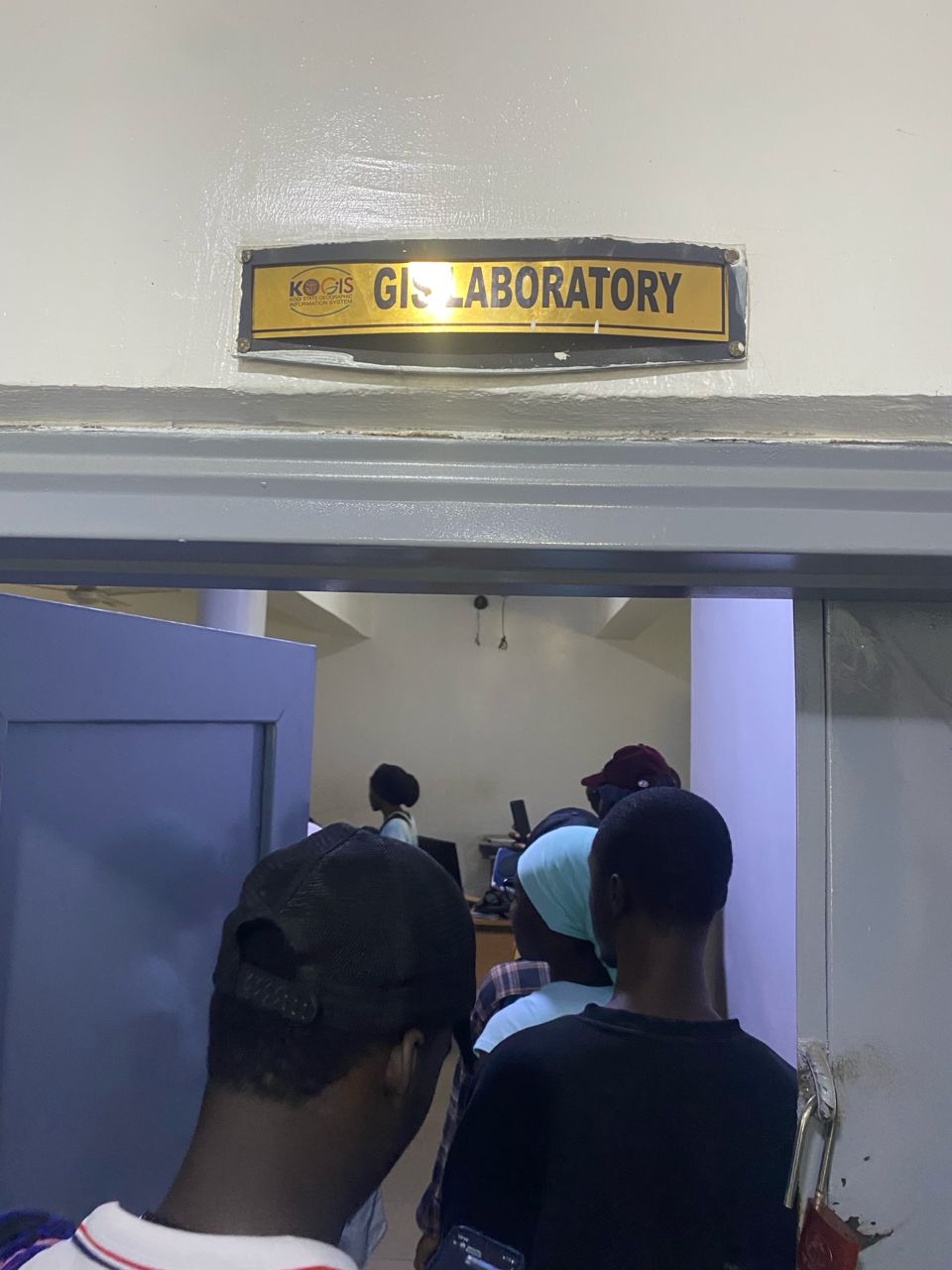
Our programme therefore begins by building a foundation in skills such as maps and map making, surveying and computer-aided strategies including familiarity with Geographic Information Systems (GIS). We also include in the foundation basic knowledge of the earth systems: climatic, geomorphic, environmental, human and social. This foundation is required for all students before they can graduate from our programme. We regard the first two years of university as foundational. The last two years of the programme allow the students more choice in direction and concentration. While they must still continue to be familiar with material in all traditions, they are allowed to take electives such that they can have a concentration, first by including towards a focus on human or physical geography and then within this broad category focusing on a sub-discipline from which their project or capstone essay is derived.

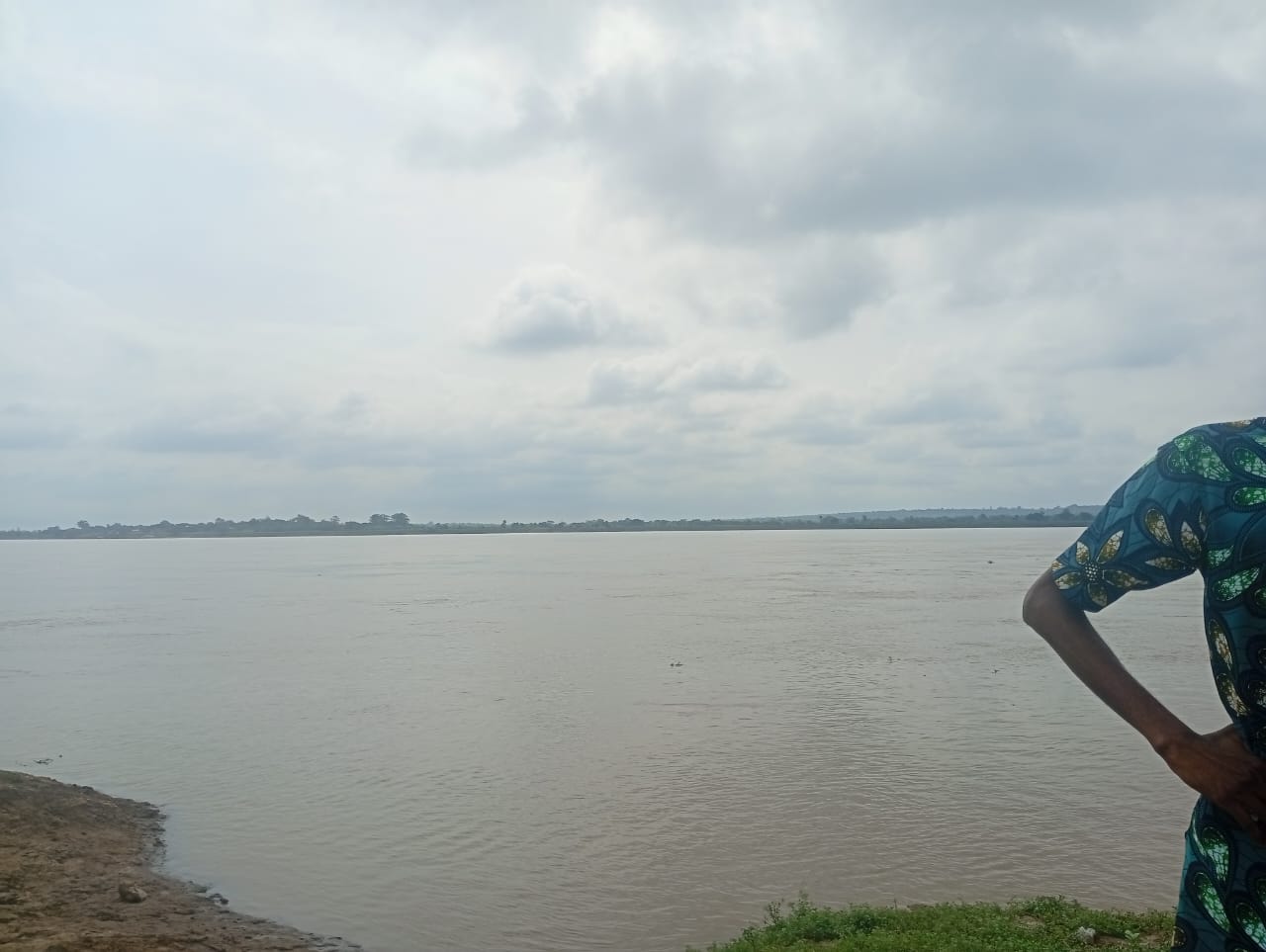
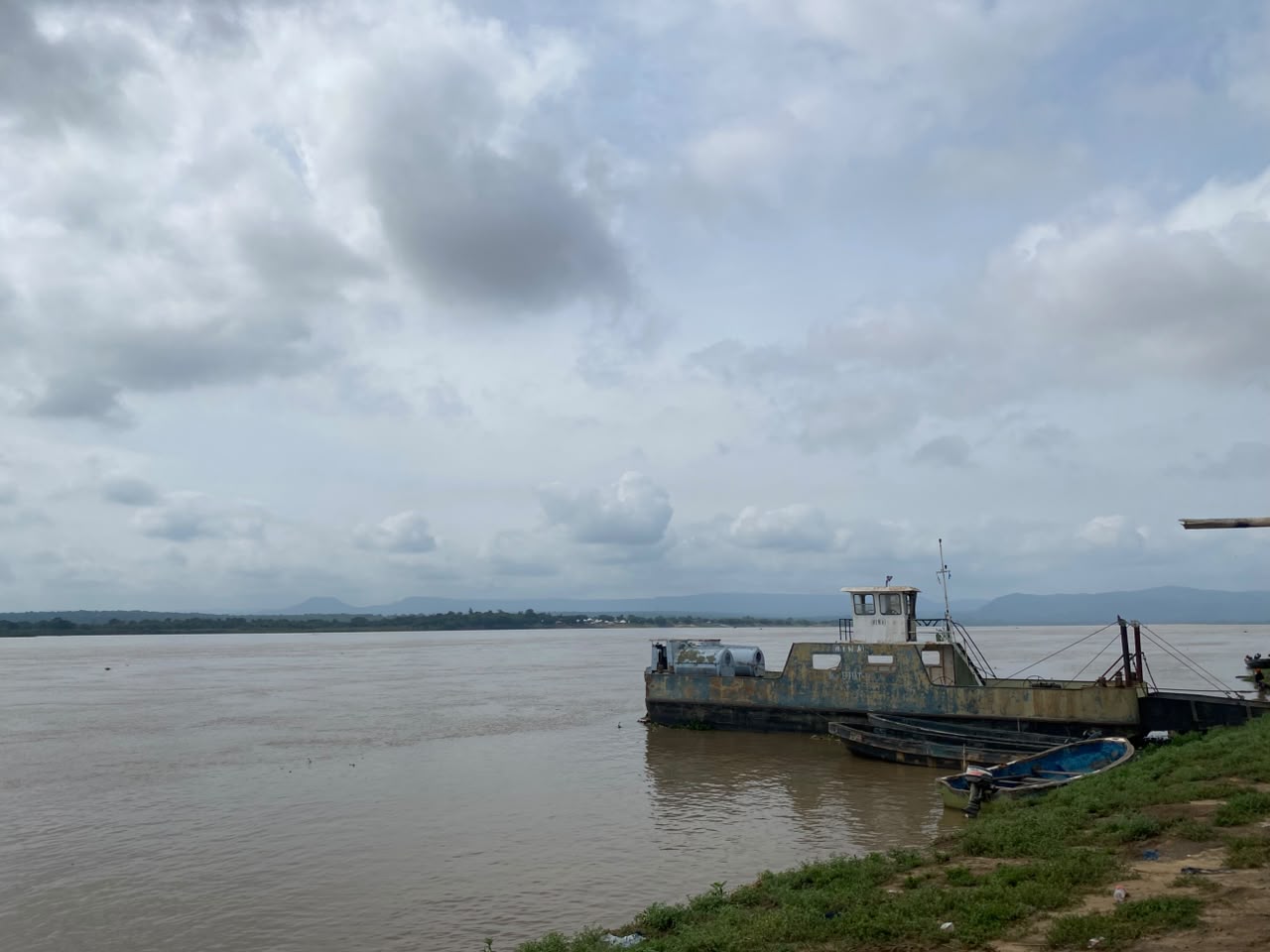
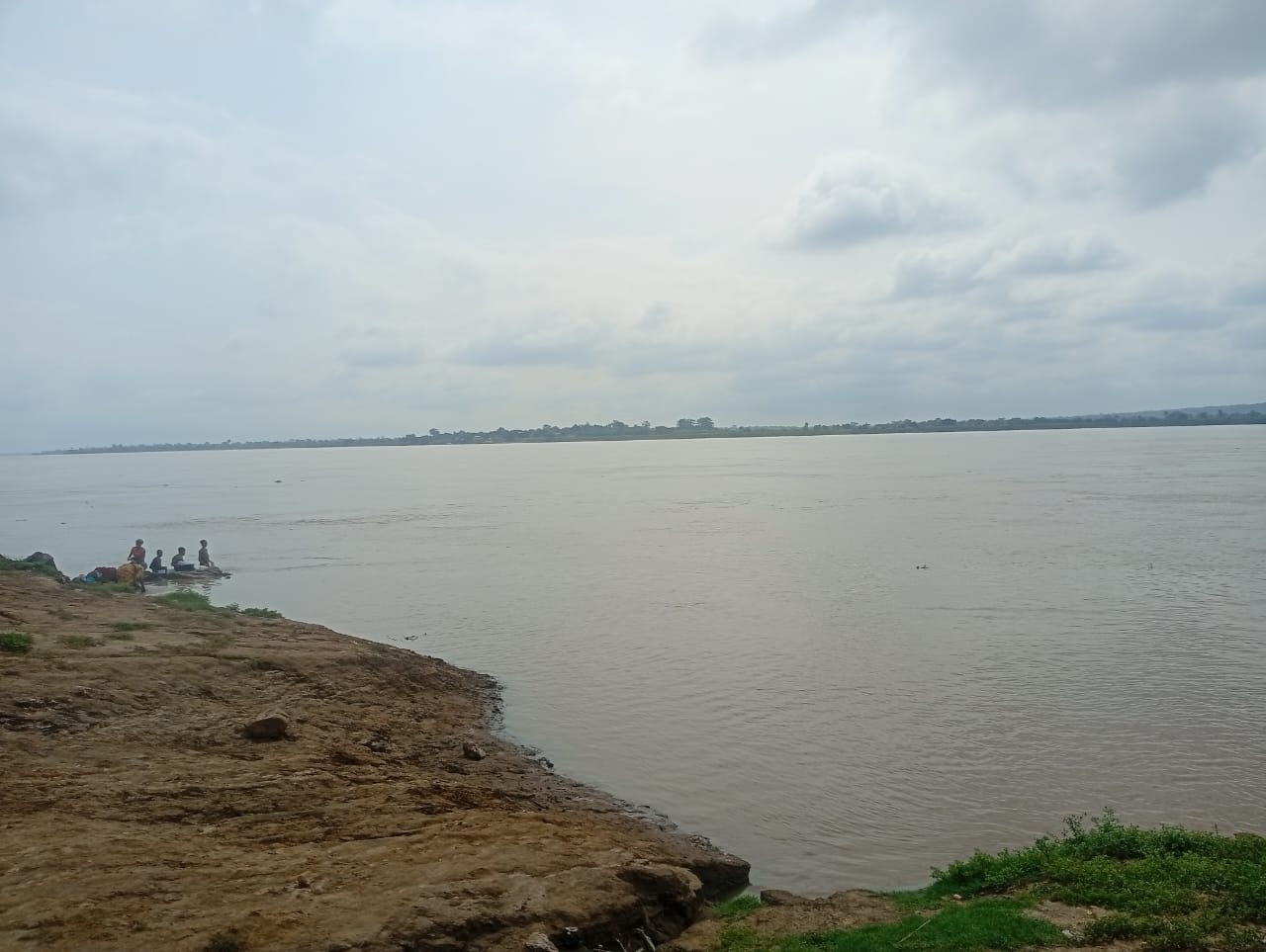
Being located in the southern Guinea Savannah biome, along a major river, with a state that houses the meeting point of River Niger and River Benue and several other river basins and a population that is primarily agrarian, our programme aims at relevance by increasing electives in areas that can address our unique environment and be relevant to the emerging needs of the populations in the immediate environment.

OBJECTIVES

The B. Sc Geography programme at Confluence University of Science and Technology Osara is based on the following objectives:

  1. To give students a sound knowledge of the principles of spatial organization of natural and human phenomena on the earth’s surface.
  2. To make students appreciate the nature and distribution of natural resources and the impact of these on human activities and problems.
  3. To equip students with suitable analytical and technical skills required for tackling problems of spatial planning and development.
  4. To enable students to specialize in areas of relevance.

Message from the Head of Department, Geography

Welcome to the Department of Geography at Confluence University of Science and Technology (CUSTECH), Osara.

The Department of Geography is committed to advancing knowledge, innovation, and practical solutions through the study of the relationship between people, places, and the environment. Our programmes are designed to provide students with sound theoretical foundations, practical skills, and research capacity to address contemporary challenges in environmental sustainability, spatial planning, climate change, resource management, and human development.

We are dedicated to nurturing graduates who are critical thinkers, problem solvers, and professionals capable of contributing meaningfully to society through the application of geographical knowledge and technology. Our commitment is anchored on excellence in teaching, impactful research, community engagement, and the development of partnerships that promote sustainable development.
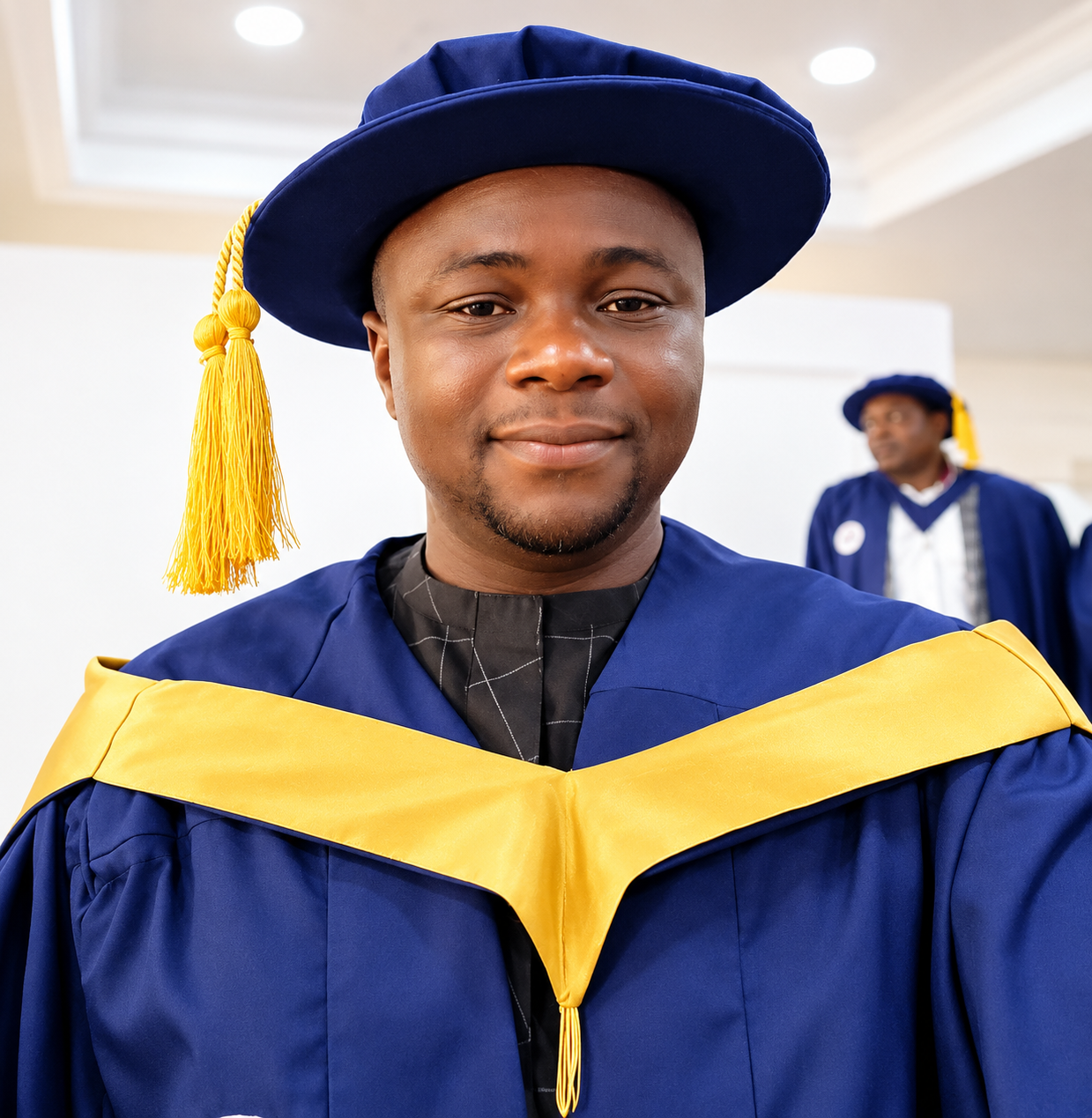
Dr. Medaiyese Cornelius Babatunde

HEAD OF DEPARTMENT

The Department is blessed with dedicated academic and support staff who work collaboratively to create an enabling environment for learning, innovation, and professional growth. We encourage our students to actively participate in academic activities, field studies, research initiatives, and opportunities that enhance their skills and career prospects.

As Head of Department, I welcome prospective students, current students, researchers, industry partners, and stakeholders to explore the opportunities within our department. Together, we are building a Geography Department that contributes to scientific advancement and sustainable solutions for our communities and the world.

Thank you for visiting our platform. We look forward to engaging with you.

CAREER PROSPECTS IN GEOGRAPHY

Geography offers broad and diverse career opportunities in Nigeria. Modern Geography extends beyond traditional teaching and research, incorporating GIS, remote sensing, environmental management, spatial data analysis, urban planning, climate studies, disaster management, and sustainable development.

Career opportunities for Geography graduates include:

1. GIS and Geospatial Technology
GIS Analyst, GIS Officer, Geospatial Data Analyst, Cartographer, Spatial Data Manager, and Geospatial Technology Specialist.

2. Remote Sensing and Earth Observation
Remote Sensing Analyst, Satellite Imagery Analyst, Land Use and Land Cover Analyst, and Earth Observation Specialist.

3. Environmental Management
Environmental Officer, Environmental Consultant, Environmental Impact Assessment (EIA) Officer, Sustainability Officer, and Environmental Management Specialist.

4. Urban and Regional Development
Urban Planning Assistant, Regional Development Officer, Spatial Planning Officer, Settlement Analyst, and Development Planning Officer.

5. Climate Change and Disaster Management
Climate Adaptation Officer, Climate Change Analyst, Disaster Risk Reduction Officer, Environmental Resilience Specialist, and Disaster Management Officer.

6. Agriculture and Natural Resource Management
Agricultural GIS Specialist, Land Resources Analyst, Natural Resource Management Officer, Environmental Resource Officer, and Land Use Analyst.

7. Transportation and Logistics
Transport Planner, Route Analyst, Network Analyst, Mobility Planning Officer, and Logistics Spatial Analyst.

8. Mapping and Geospatial Survey Services
Mapping Officer, Geospatial Mapping Technician, Digital Cartographer, Land Information Officer, and Spatial Data Technician.

9. Education and Research
Geography Teacher, Lecturer, Research Assistant, Research Fellow, Academic Adviser, and Research Consultant.

10. Government and Public Sector
Planning Officer, Development Officer, Environmental Officer, GIS Officer, Policy Research Officer, and Spatial Planning Officer.

11. Oil, Gas, Energy and Infrastructure
GIS Officer, Environmental Analyst, Spatial Data Specialist, Mapping Officer, Environmental Assessment Officer, and Infrastructure Planning Analyst.

12. NGOs and International Development Organisations
Monitoring and Evaluation Officer, Development Researcher, Humanitarian GIS Specialist, Programme Officer, Environmental Project Officer, and Community Development Specialist.

13. Consultancy
GIS Consultant, Environmental Consultant, Spatial Planning Consultant, Sustainability Consultant, Development Consultant, and Geospatial Data Consultant.

14. Entrepreneurship and Private Practice
Graduates can establish businesses in GIS services, digital mapping, drone mapping, environmental consultancy, spatial data services, land-use analysis, geographic research, and sustainability consulting.
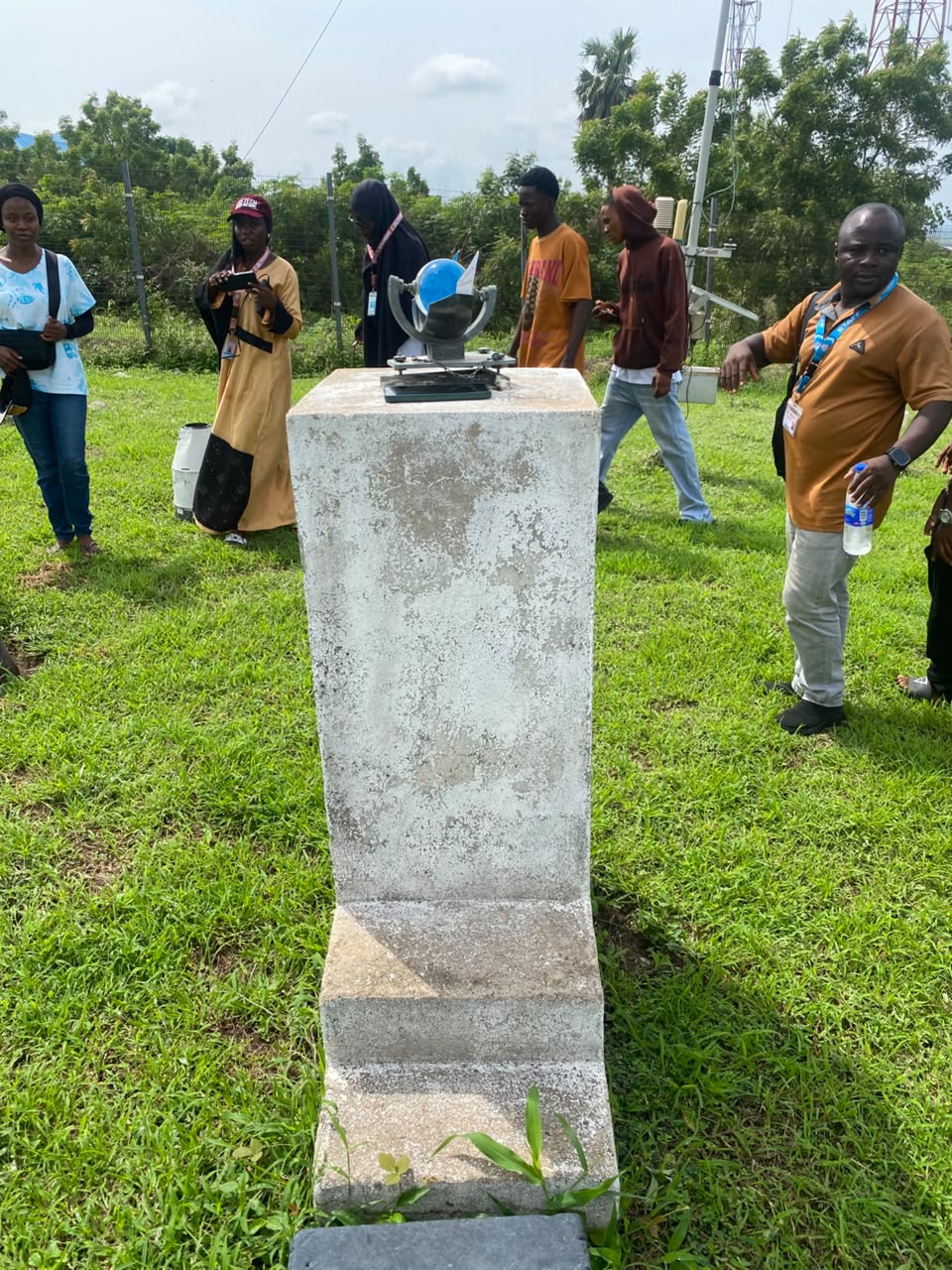
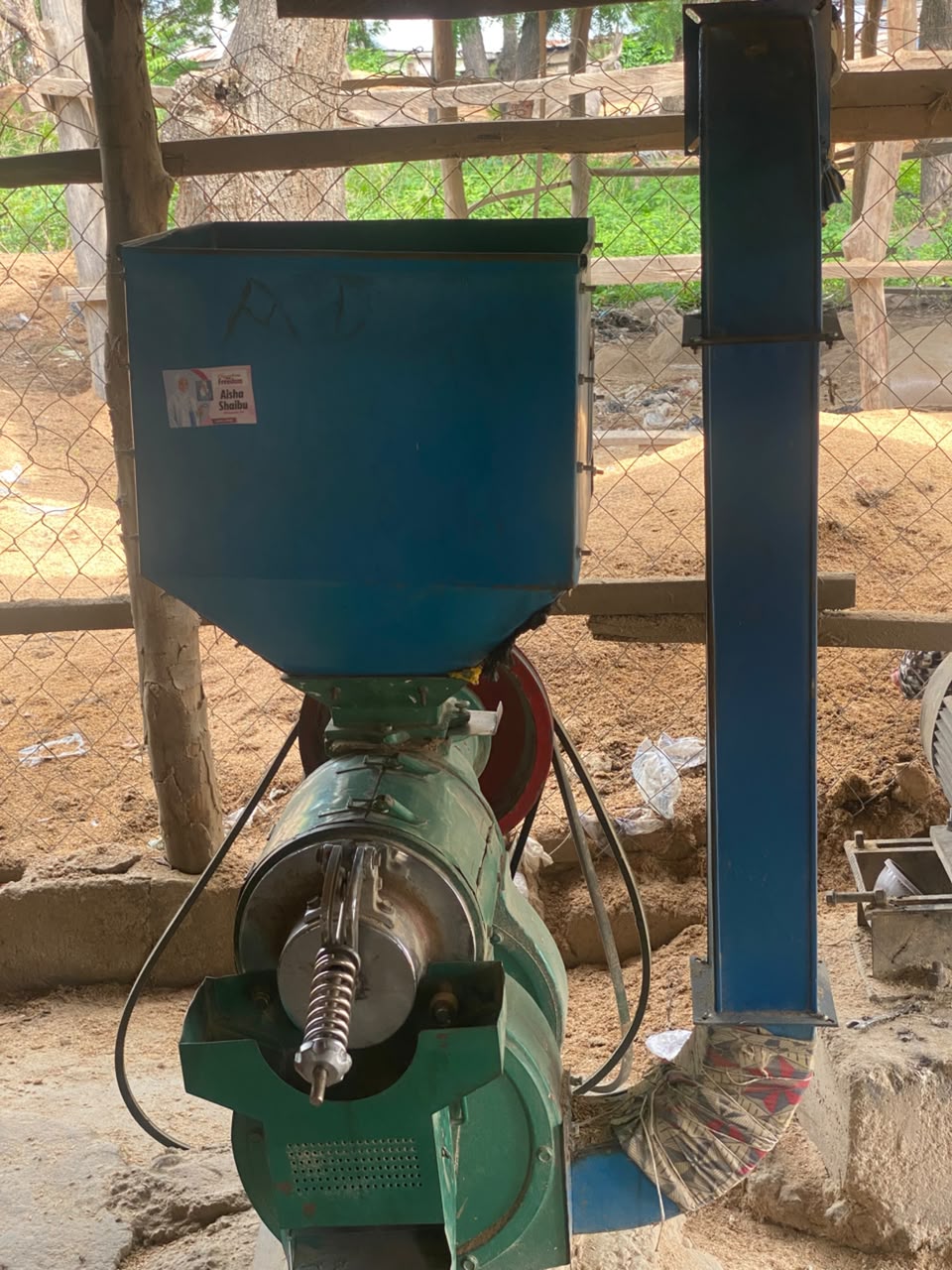
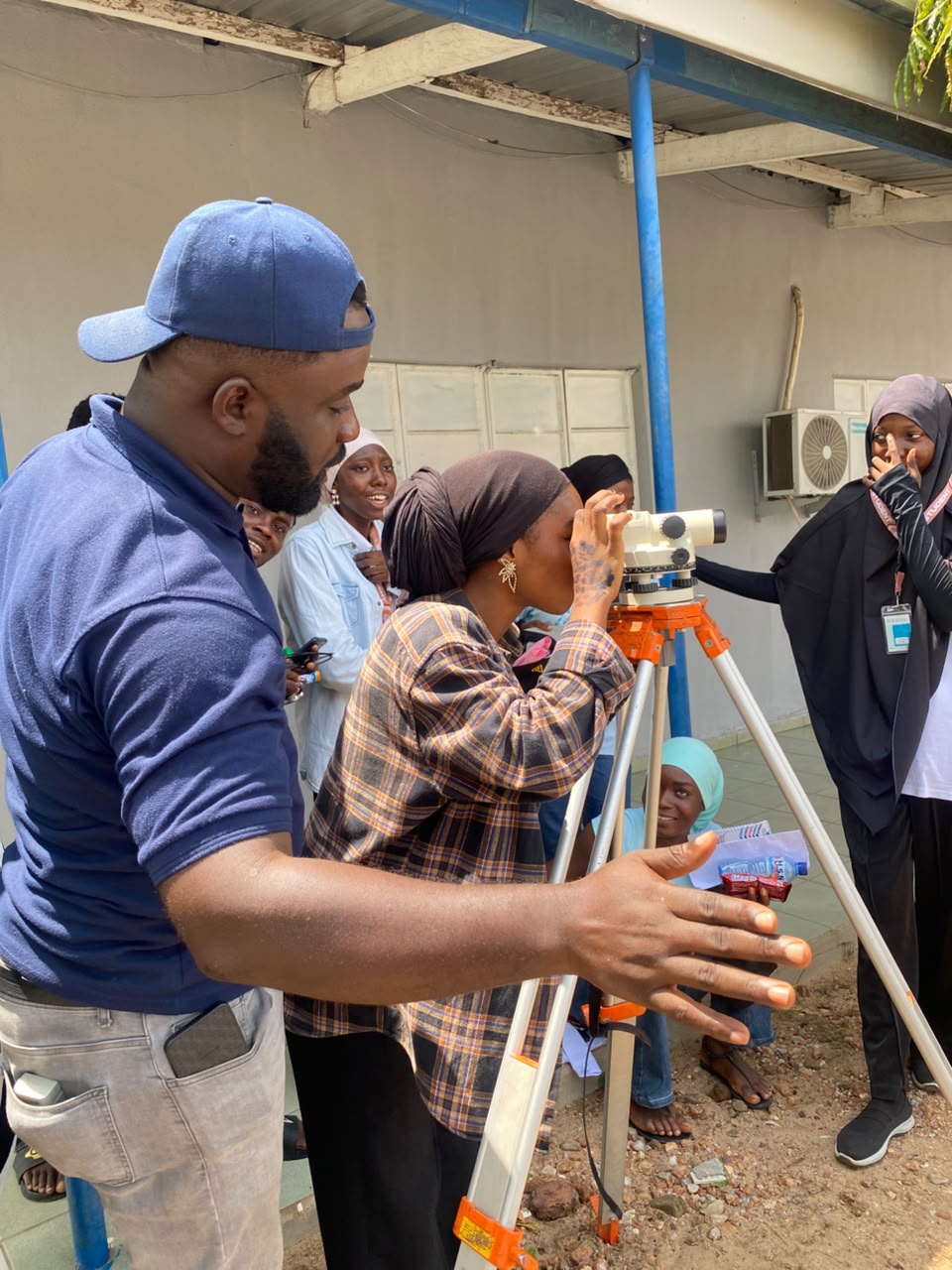
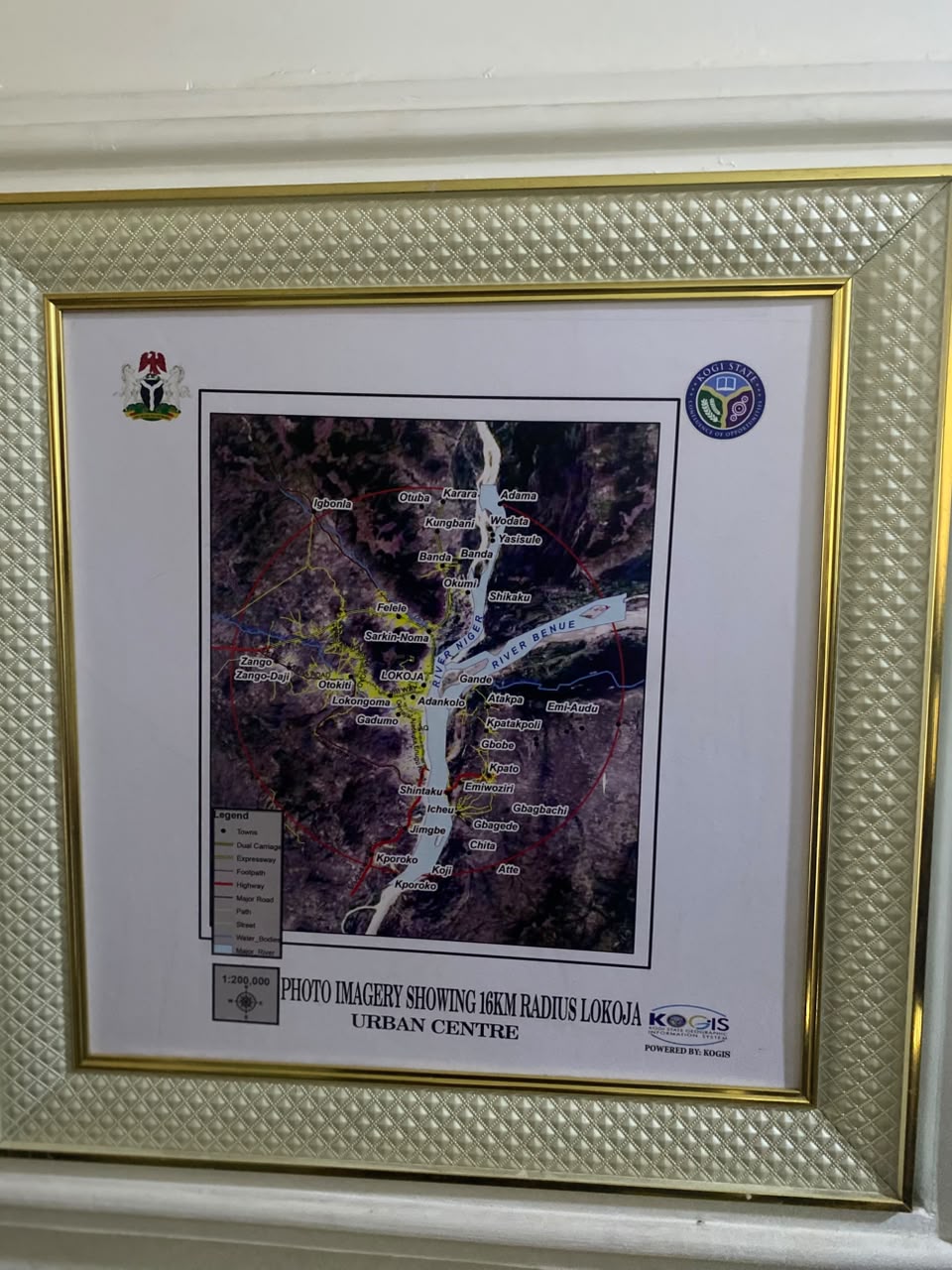
PICTURE SPEAKS