Isaac Adekunle Joseph
Head of Department, Chemical Engineering
Isaac Adekunle Joseph is a seasoned chemical engineer and academic leader dedicated to advancing the frontiers of chemical engineering education and research. With extensive expertise in process design, sustainable engineering, and industrial collaboration, he leads the department with a vision for excellence and innovation. Under his stewardship, the Chemical Engineering programme at CUSTECH continues to produce highly skilled graduates equipped to tackle real-world challenges in Nigeria and beyond.
Faculty of Engineering | Confluence University of Science and Technology, Osara, Kogi State
Background of Chemical Engineering Department
The Confluence University of Science and Technology, Osara, was established on 20th August 2020 to meet the nation’s drive for self-reliance in Science, Engineering, and Technology. Sequel to the Nigeria University Commission (NUC) approval, the Chemical Engineering programme commenced in the 2021/2022 academic session as one of the pioneer engineering programmes in the Faculty of Engineering. The department is staffed with qualified academics across different aspects of Chemical Engineering, supported by other non-academic staff members. The primary objective is to equip students with comprehensive knowledge and skills in Chemical Engineering, enabling them to tackle real-life chemical engineering problems in our immediate society and globally.
Vision of the Department
To become an excellent academic centre in the training of Chemical Engineers, renowned for innovative research in the field of Chemical Engineering.
Mission of the Department
The mission of the department is to implement its programme through an effective teaching and learning process, which will equip students with the knowledge and relevant skills for problem-solving in the field of chemical engineering, with competent staff members who are globally recognised in chemical engineering research output.
Programme Philosophies, Aim & Objectives
Programme Philosophies: The department’s principles and values are intrinsically linked to the vision and mission statements of Confluence University of Science and Technology, Osara. Hence, the department sought to distinguish itself by cultivating exceptional skills required to produce globally competitive graduates enriched with practical problem-solving and research skills. This will be achieved by developing a supportive teaching and learning environment that vigorously enhances the capabilities of both educators and learners in fostering and maintaining a culture of critical thinking, alongside the discovery, application, and exchange of knowledge that promotes strategic values for the intellectual advancement of humanity in general and the nation specifically.
Programme Aim: The undergraduate Chemical Engineering program is designed to provide students with a strong foundation in the field, encourage collaboration with related disciplines, and foster advancements in knowledge and technology through innovative research. It is intended to benefit the public, academic, industrial, and governmental sectors.
Objectives:
- Providing a strong foundation in core Chemical Engineering subjects such as thermodynamics, process design, transport phenomena, and reaction engineering.
- Developing students’ ability to apply chemical engineering principles to solve real-world problems.
- Promoting research and innovation through hands-on learning, encouraging students to explore emerging technologies and advanced topics in Chemical Engineering.
- Fostering a mindset of continuous improvement and creative problem-solving to address technological challenges.
- Instilling an understanding of ethical and social responsibilities in the context of engineering practices.
- Preparing students for leadership and managerial roles in diverse sectors, ensuring they can make informed, responsible decisions in their careers.
- Promoting an understanding of the role of chemical engineers in improving societal well-being and contributing to the public good.
Programme Educational Objectives (PEOs)
The Program Educational Objectives (PEOs) are broad, long-term goals that describe what graduates of the Chemical Engineering program are expected to achieve within five (5) years of graduation. These objectives are developed in line with the national development priorities, global engineering standards, and stakeholder expectations.
PEO 1 Apply chemical engineering skills in harnessing Nigeria’s vast natural resources for economic development.
PEO 2 Design and construct sustainable Chemical Engineering processes to address emerging challenges in global engineering practices.
PEO 3 Demonstrate excellent leadership and managerial capacity in decision-making, considering engineering best practices and ethics.
Alignment with CUSTECH Vision & Mission
PEO 1 emphasizes the application of chemical engineering skills in harnessing Nigeria’s natural resources for economic development. This directly supports CUSTECH’s mission of applying knowledge for the development of humanity and its vision of producing self-reliant and innovative graduates. PEO 2 focuses on the design and construction of sustainable engineering systems, aligning with CUSTECH’s commitment to research, innovation, and entrepreneurship. PEO 3 addresses leadership, ethical practices, and professional responsibility—key attributes that foster entrepreneurship, self-reliance, and integrity, central to CUSTECH’s vision of being a first-class university.
Programme Outcomes (POs) – COREN Aligned
The Programme Outcomes (POs) for the B.Eng. Chemical Engineering programme at CUSTECH, Osara are designed in alignment with the standards of the Council for the Regulation of Engineering in Nigeria (COREN), the National Universities Commission (NUC), and global best practices such as the Washington Accord. These outcomes describe the knowledge, skills, and competencies that students are expected to attain by the time of graduation.
1. Engineering Knowledge Apply knowledge of mathematics, physical sciences, life sciences, engineering fundamentals, and chemical engineering principles to solve complex engineering problems in process industries and related fields.
2. Problem Analysis Identify, formulate, and analyze complex chemical engineering problems using principles of reaction engineering, thermodynamics, transport phenomena, and material and energy balances.
3. Design/Development of Solutions Design chemical processes, equipment, systems, and products that meet specified needs while considering public health and safety, environmental impact, economic feasibility, and sustainability.
4. Investigation Conduct research and experimental investigations into chemical processes and systems using appropriate methodologies, including data collection, analysis, interpretation, and validation.
5. Modern Tool Usage Utilize modern engineering and computational tools (e.g., Aspen Plus, MATLAB, HYSYS) for simulation, modeling, design, and analysis of chemical engineering processes, with an understanding of their capabilities and limitations.
6. The Engineer and Society Apply contextual knowledge of chemical engineering to assess health, safety, legal, economic, and societal impacts, and ensure compliance with applicable standards and regulations.
7. Environment and Sustainability Understand and evaluate the impact of chemical engineering solutions on the environment and demonstrate commitment to sustainable development and green engineering principles.
8. Ethics Adhere to ethical principles and professional responsibilities in engineering practice and be committed to integrity, accountability, and responsible conduct.
9. Individual and Team Work Function effectively as an individual, and as a member or leader in multidisciplinary and multicultural teams, both in academic and professional settings.
10. Communication Communicate effectively on complex engineering activities, including writing technical reports, preparing documentation, and delivering effective oral presentations to engineers and non-engineers alike.
11. Project Management and Finance Demonstrate knowledge of engineering management principles, financial analysis, and project planning, and apply them in managing chemical engineering projects in multidisciplinary environments.
12. Life-long Learning Recognize the importance of life-long learning and possess the ability to independently acquire new knowledge and adapt to technological advancements and evolving industry trends.
Career Prospects in Chemical Engineering
Core Industries
Oil & Gas (Refineries, LNG)
Pharmaceuticals & Biotechnology
Food & Beverage
Energy & Renewables
Water Treatment & Environmental
Materials & Polymers
Manufacturing & Process Engineering
Consulting & R&D
Academia & Government
Emerging & Advanced Fields
Sustainable Engineering (Carbon Capture)
Battery & Energy Storage
AI & Automation in Chemical Processes
Biochemical & Biomedical Engineering
Nanotechnology
Green Manufacturing
Admission Entry Modes
UTME Entry Mode
The applicant is required to obtain a minimum of credit-level qualifications in five (5) subjects, which must include English Language, Mathematics, Biology, Chemistry, and Physics. Furthermore, a satisfactory score in the Unified Tertiary Matriculation Examination (UTME) is mandatory. Duration: 4 years.
Direct Entry Mode
Minimum of two ‘A’ level passes in related science subjects (GCE/IJMB) plus O'Level credits in English, Mathematics, Biology, Chemistry, and Physics. Duration: 4 academic years.
Industrial Engagement & Modern Facilities
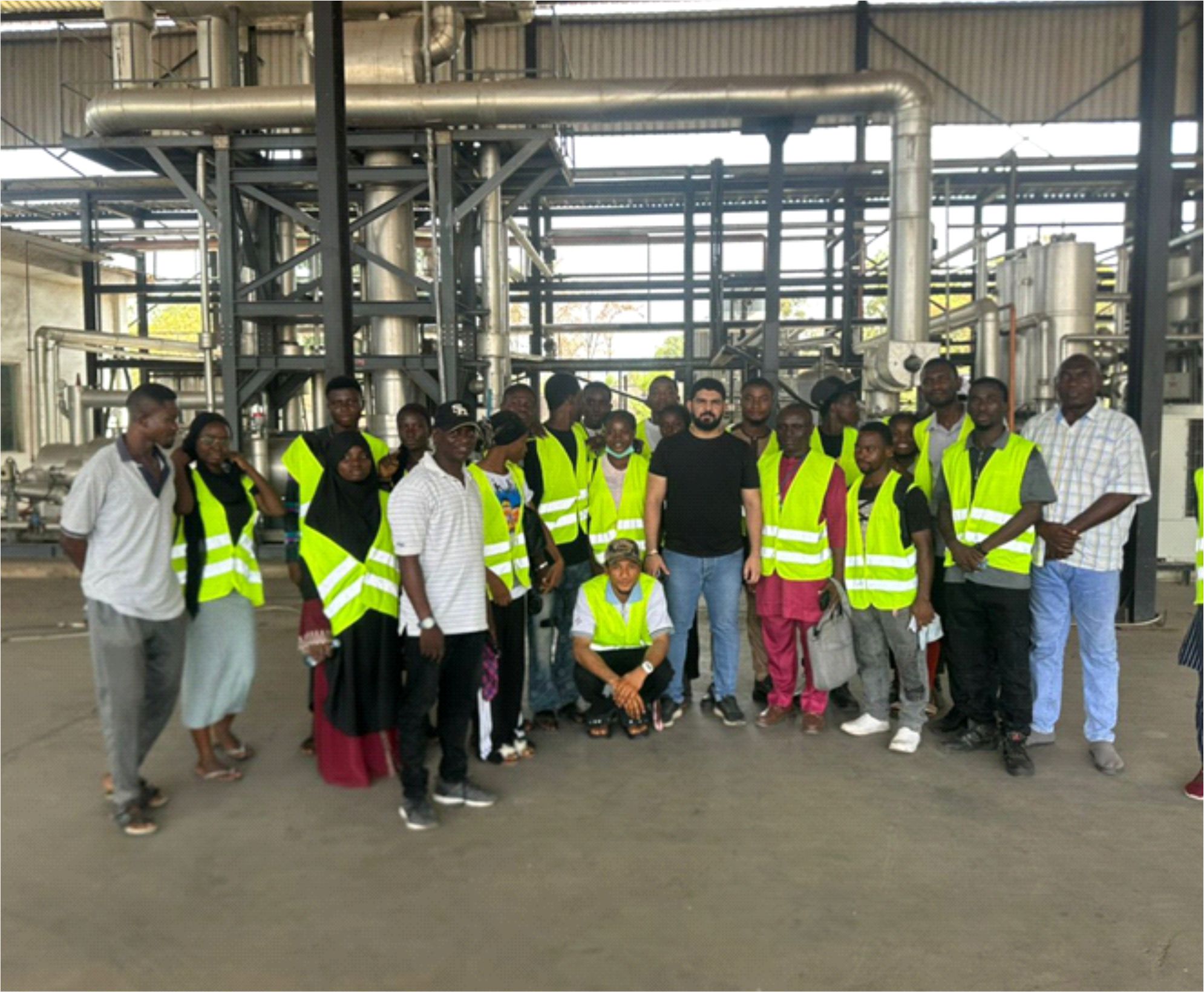
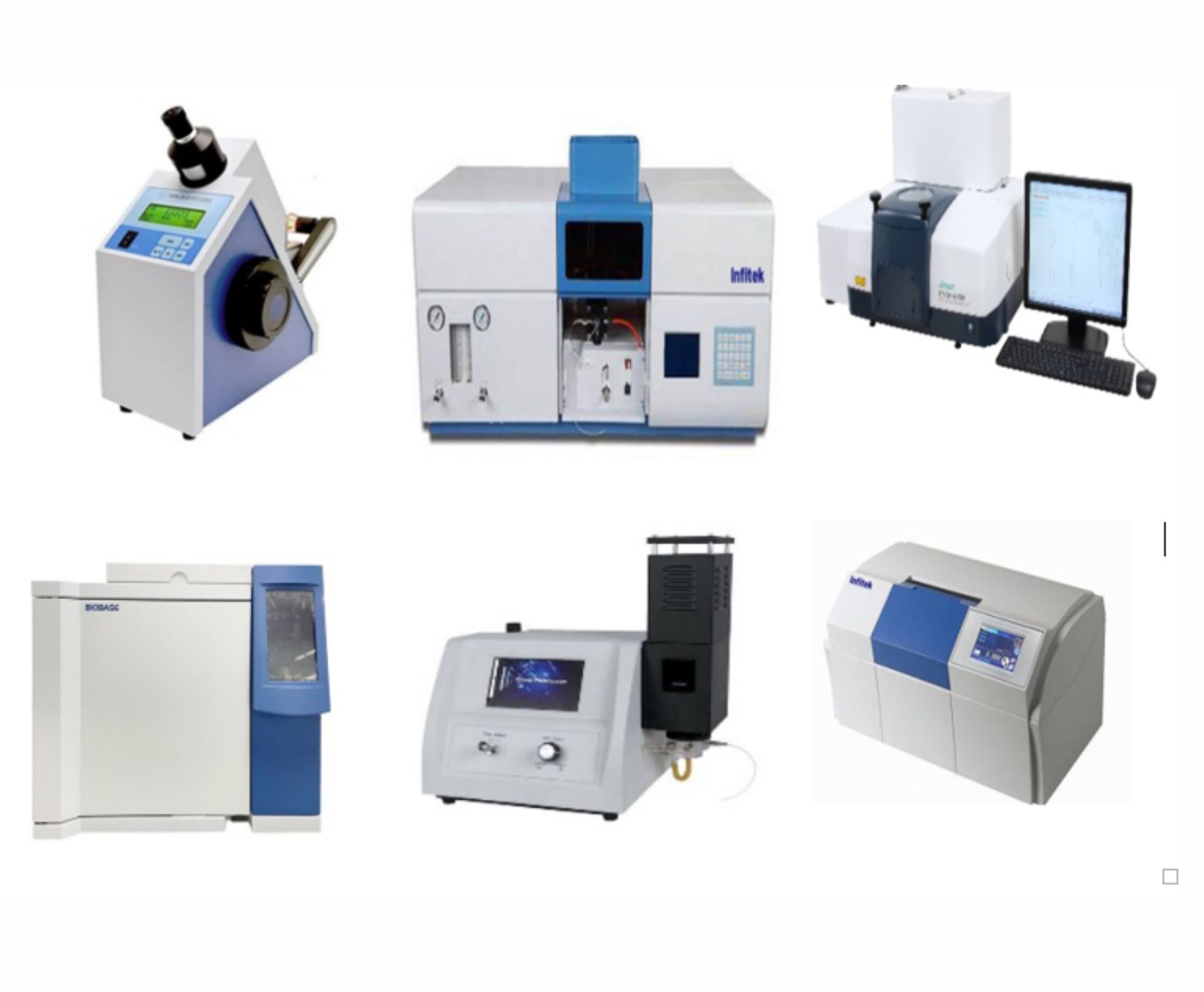
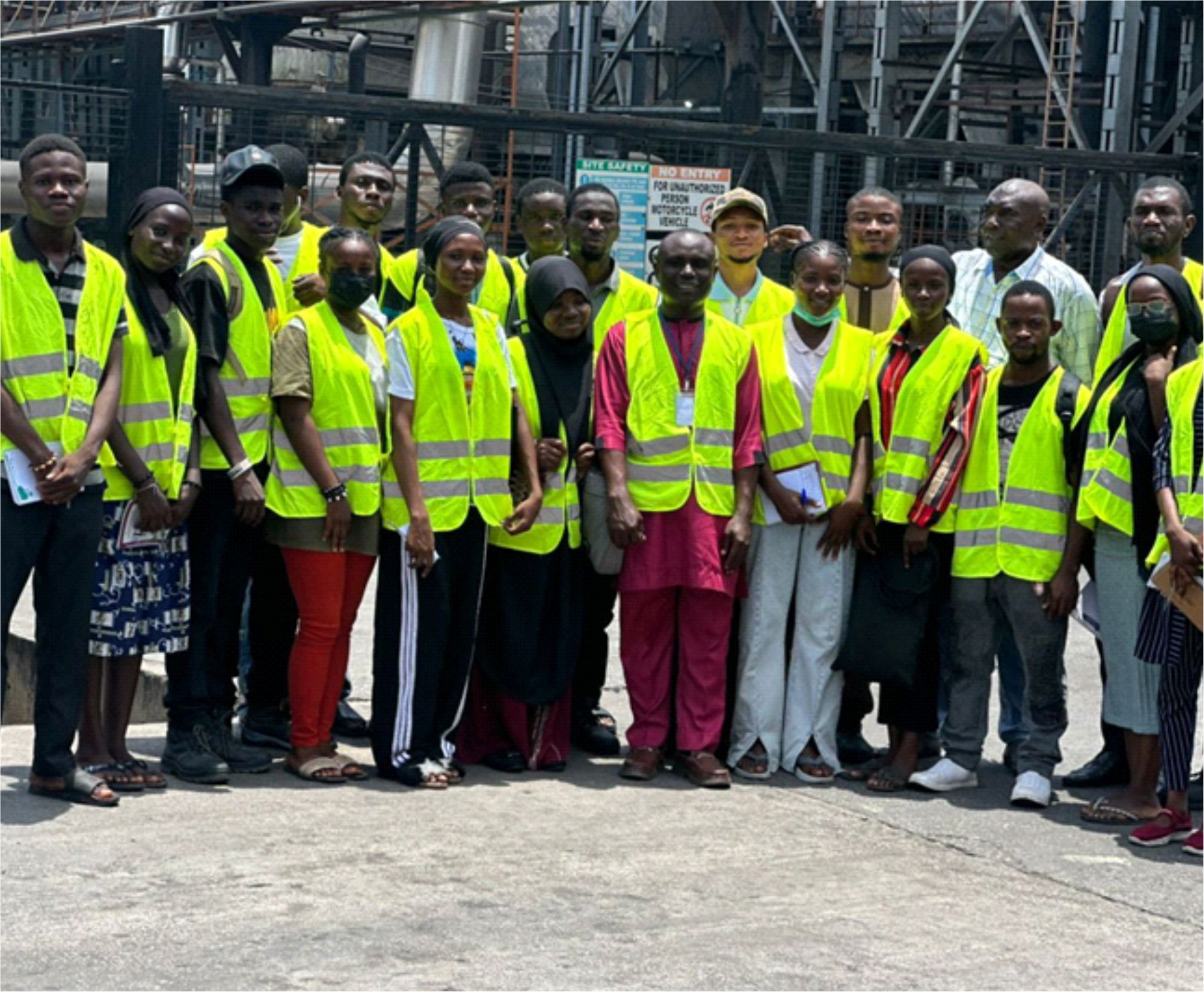
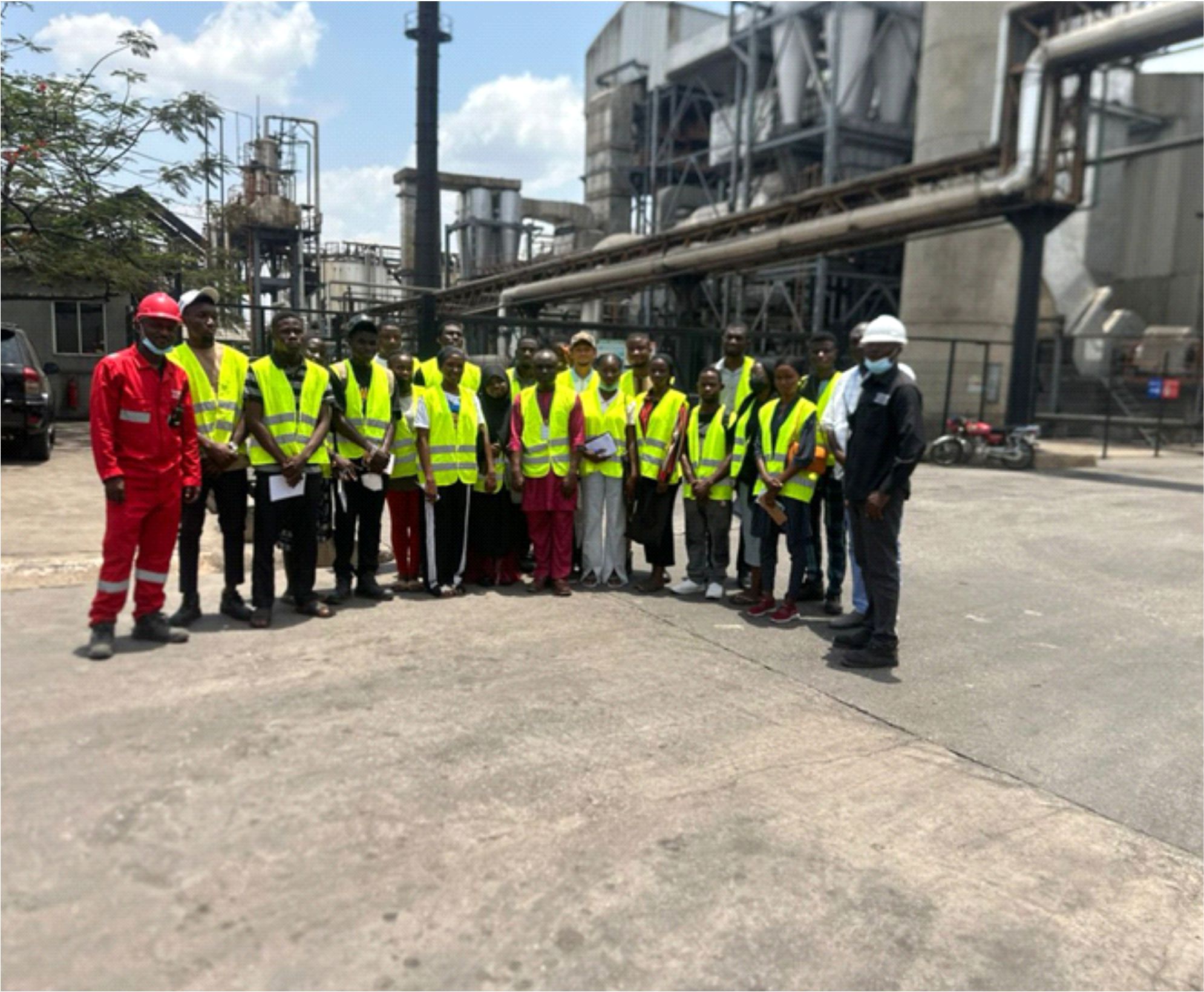
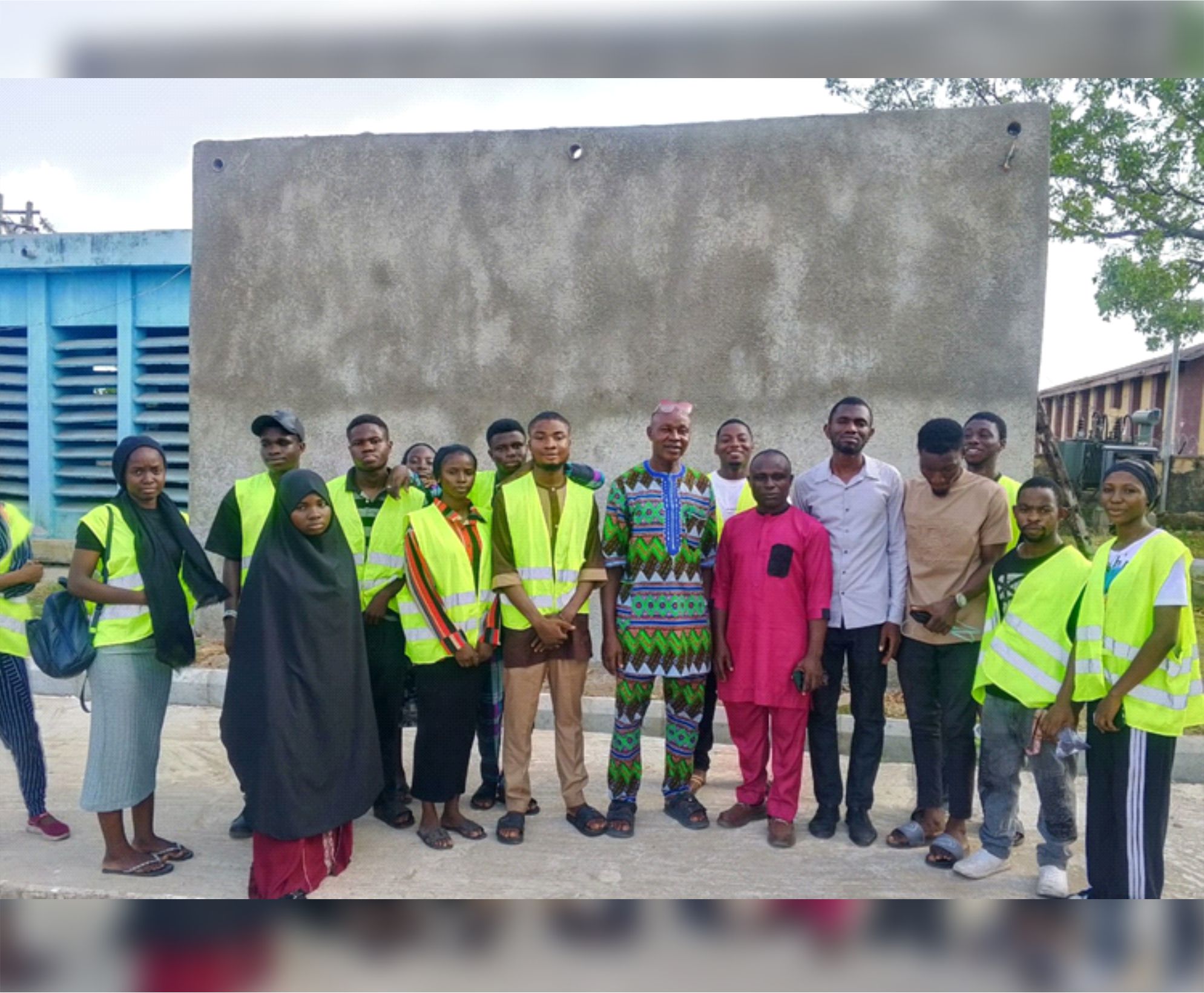
The department fosters strong industry ties through industrial visits, internships, and collaborative projects with refineries, water treatment plants, and manufacturing industries. Students gain hands-on exposure to real-world chemical processes and cutting-edge laboratories.
Water Treatment Plant
Process Simulation Lab
Aspen HYSYS Suite
Analytical Chemistry Lab
Innovation & Entrepreneurship
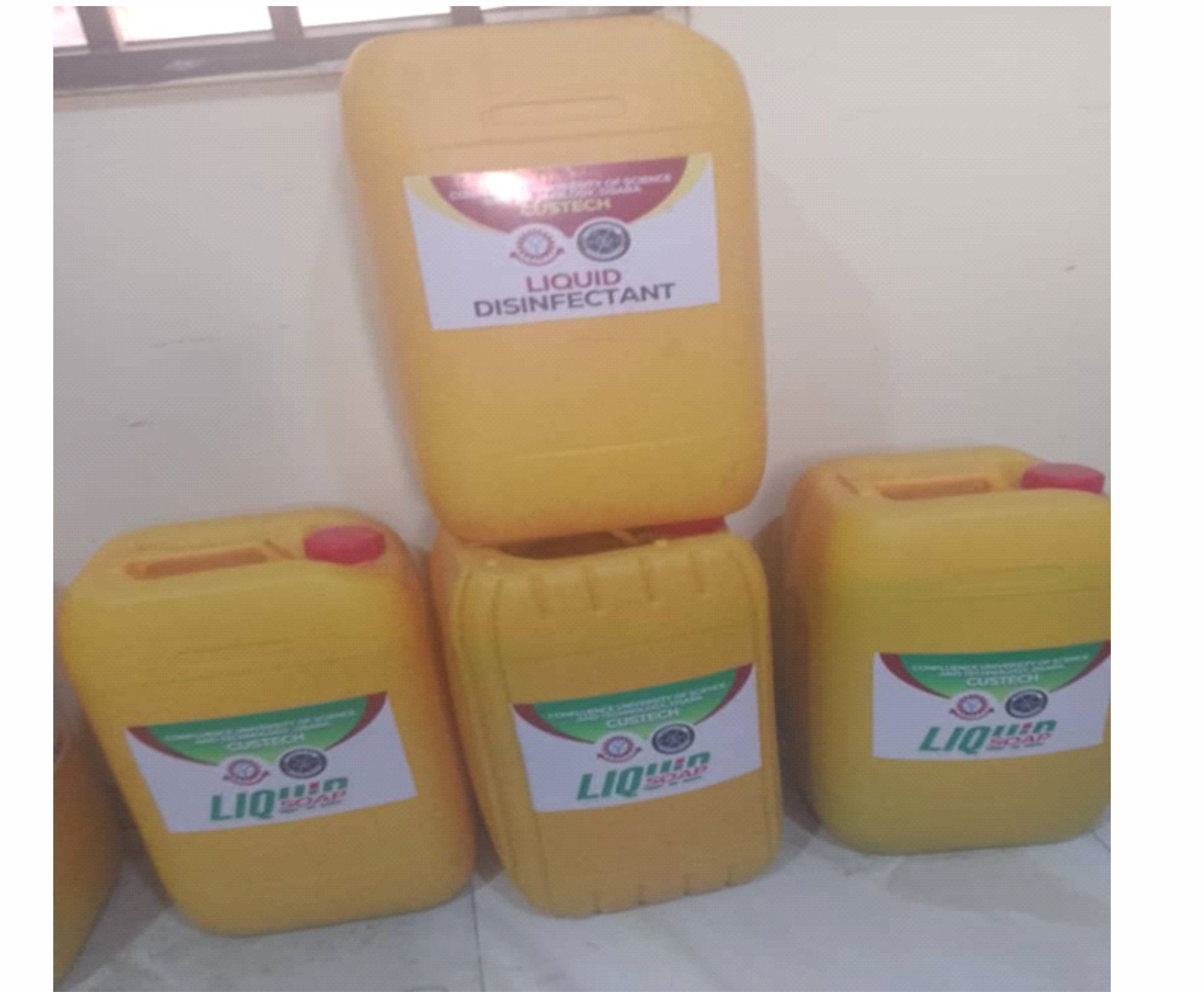
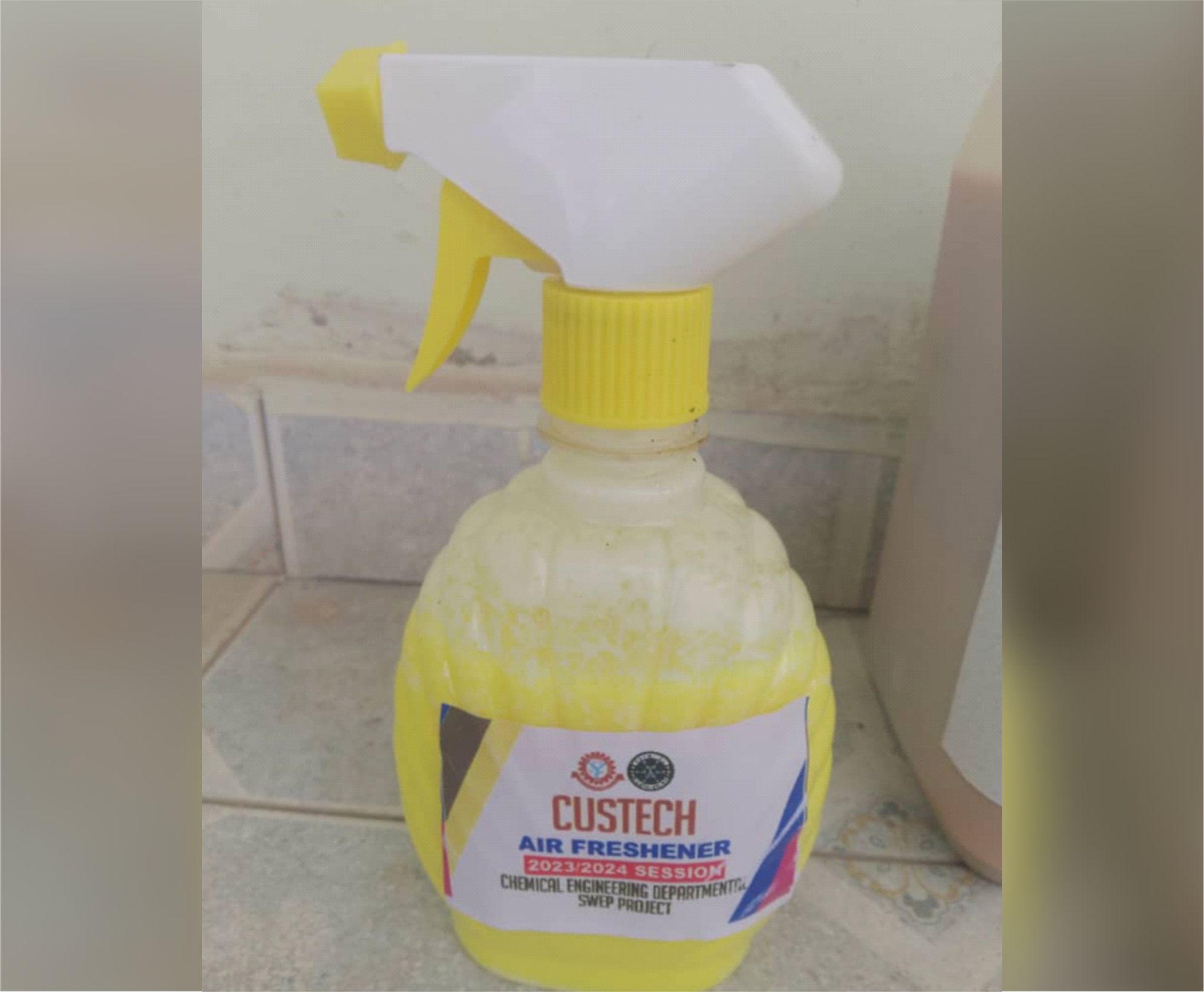
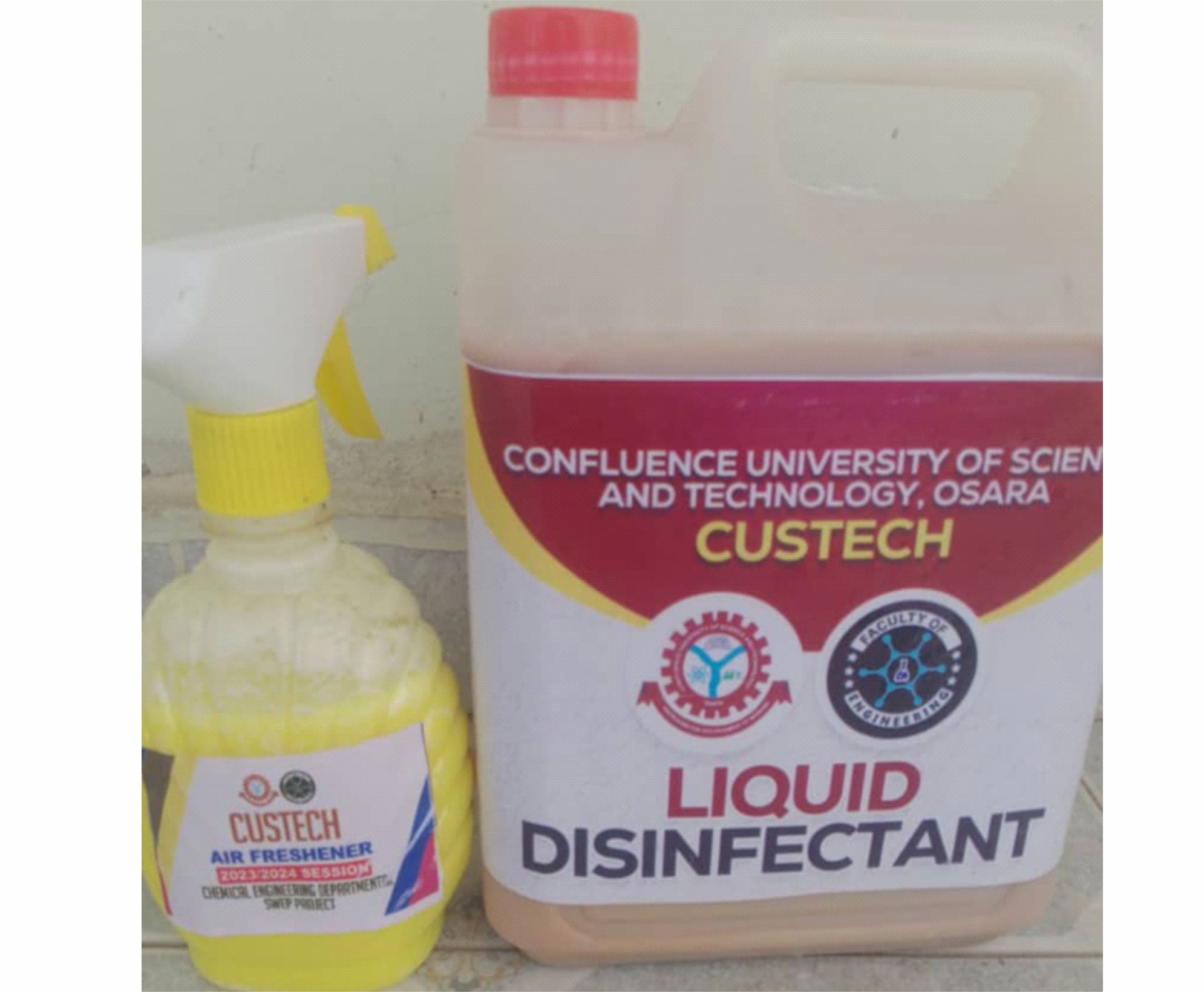
The Chemical Engineering Department promotes practical ingenuity by engaging students in the production of market-ready household and industrial products, reflecting a strong entrepreneurial mindset and hands-on learning approach.
Liquid Disinfectant
Liquid Soap
Air Freshener
Multi-purpose Cleaners
Biodegradable Plastics (Research)
Student-led innovations showcased during annual exhibitions, demonstrating sustainable chemical engineering applications and entrepreneurial readiness.
Modern Tools & Software
- Aspen Plus / HYSYS for process simulation
- MATLAB & Python for modeling
- CFD Tools for fluid dynamics
- Process Control & Instrumentation Labs
- Gas Chromatography & Spectrophotometers
Accreditation & Global Standards
The programme is structured to meet COREN accreditation requirements and aligns with Washington Accord benchmarks. Continuous curriculum review ensures that graduates are globally competitive, ethically grounded, and ready for professional practice across industries worldwide.
COREN Standards NUC Approved Washington Accord Aligned